Content Type: Stories
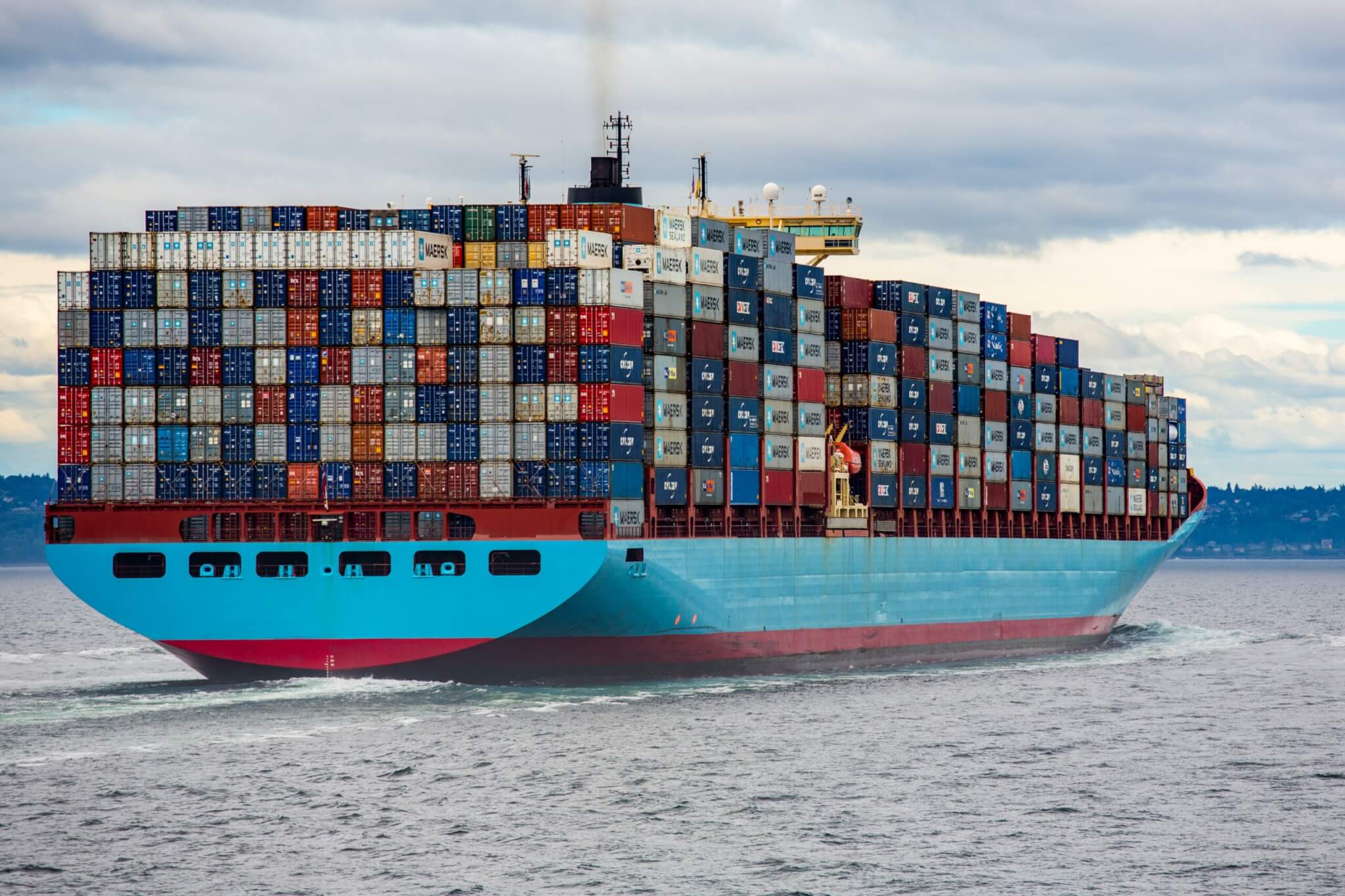
ClimateWorks Foundation is honored to receive a $40 million gift from philanthropist MacKenzie Scott in support of our efforts to help transform the global maritime shipping sector into a zero-emission, resilient, and equitable industry by 2050.
Maritime shipping is the backbone of global trade—and a significant contributor to climate pollution. With nearly 3% of global greenhouse gas emissions originating from ships, the sector plays a critical role in the global transition to clean energy. While recent developments at the IMO have postponed the vote on the Net Zero Framework and introduced procedural complexities, momentum toward an ambitious and equitable framework for zero-emission shipping continues to advance. This gift enables ClimateWorks to deepen and expand efforts that help ensure this transition delivers economic opportunity, healthier port communities, and long-term climate benefits.
Driving momentum for zero-emission maritime shipping
With this support, ClimateWorks will work with partners across regions to:
- Accelerate the deployment of zero-emission fuels and technologies, helping move the sector toward full decarbonization by 2050.
- Support a just and equitable transition for workers, communities, and industries directly affected by changes in global shipping.
- Drive action across governments, industry, and civil society, building on growing global momentum for clean shipping—including leadership from the EU, U.S., Asia, and Latin America.
Philanthropy is relatively small in scale compared to the global decarbonization challenge, but it remains uniquely catalytic. Strategic funding can help test solutions, de-risk innovation, and unlock the broader public and private investments needed to transform a complex sector like maritime shipping.
A moment for bold action
“This gift comes at a pivotal moment for the maritime sector,” said Jason Anderson, Senior Program Director for ClimateWorks’ Maritime Shipping program. “Around the world, we’re seeing governments, industry, and communities push for cleaner, more resilient shipping. This support allows us to accelerate that momentum—advancing technologies, policies, and partnerships that reduce pollution, strengthen port communities, and build a more equitable global economy.”
MacKenzie Scott’s approach to philanthropy shows how generosity can meet the urgency of this moment. Her support underscores the importance of sustained, collaborative efforts to confront the climate crisis while improving lives and supporting shared economic prosperity.
ClimateWorks is proud to work alongside civil society organizations, port communities, and industry leaders who are already helping to build this future. This gift will help accelerate their work and amplify solutions ready to scale globally.



Around the world, communities on the front lines of climate change are leading the way on advancing solutions that safeguard lives, protect livelihoods, and secure economic and financial stability.
The need for adaptation has never been clearer: in 2024, global temperatures reached the 1.5° C threshold for the first time, and climate disasters displaced more than 45 million people. Escalating climate impacts are raising the urgency for locally-led adaptation and resilience solutions rooted in lived experience, trust-based relationships, and deep knowledge of place — including for workers.
A lifeline for women workers facing extreme heat
Roughly 2 billion people — 60% of the world’s workforce — earn a living through informal, outdoor jobs, often in dangerous conditions. As climate change drives more frequent and worsening heat waves, workers are forced to choose between risking their health on the job and losing the income that supports their families. The choice is especially difficult for women in developing countries, 92% of whom work in the informal economy.In India, a local women’s trade union is taking on the challenge. The Self-Employed Women’s Association (SEWA), together with the gender-focused global adaptation organization Climate Resilience for All, designed an innovative insurance model that allows workers to stay safe without sacrificing income. A pilot program called Extreme Heat Microinsurance provides cash payments to enrolled workers whenever temperatures exceed 40° C (104° F), allowing them to stay safe during extreme heat while still meeting household needs.
More than 225,000 women across six states in India enrolled in the program for the 2025 heat season. The program demonstrates how local leadership and collective action can build resilience in the face of escalating climate risks.
“At SEWA, we design climate solutions that reduce vulnerability and build strength,” says Rajvi Joshipura, senior coordinator. “Building on the success of our Extreme Heat Microinsurance, we are now expanding parametric climate insurance into a broader Climate Risk Mitigation Facility that integrates health protection, savings, and livelihood security — creating holistic protection for women workers in the informal sector.”
Initiatives like SEWA’s highlight growing momentum for locally-led adaptation solutions worldwide — such as early warning systems co-designed with coastal and flood zone communities, climate-smart agriculture, and cooling strategies in urban heat islands.
Philanthropy as a catalyst for adaptation and resilience
Local leaders and communities are already responding to growing climate impacts with ingenuity and urgency. Too often, however, they lack access to long-term financing to protect their people from rising hazards. This is where philanthropy can make a difference: it can move early, take risks, and support systems that help unlock larger flows of public and private capital.
ClimateWorks’ Adaptation and Resilience program is working to channel catalytic funding to help communities anticipate, reduce, and respond to climate risks. Additionally, the Adaptation and Resilience Fund funds locally-led solutions like SEWA’s, while the Adaptation and Resilience Collaborative for Funders (ARC) convenes more than 70 funders across climate, food systems, health, and development to share knowledge, coordinate action, and accelerate impact. Together, these efforts are helping build systems needed to tackle interconnected challenges related to climate impacts — from health and livelihoods to economic stability.
By aligning behind local priorities, philanthropy can help proven models scale and spread. SEWA’s approach shows the kinds of efforts philanthropy can support by working alongside local leaders.
“What makes this model sustainable is that it is co-created and co-owned by our members,” Joshipura adds. “Their small monthly savings — often the equivalent of one day’s wage — form the foundation. Through this member-led approach, SEWA is showing how grassroots leadership can transform climate risk into opportunity and drive scalable, self-sustaining climate welfare systems that protect lives, livelihoods, and dignity — thereby creating an economy of nurturance.”
Around the world, the materials that make modern life possible — cement, steel, and chemicals — also drive nearly one-third of global greenhouse gas emissions. For decades, these industries were considered nearly impossible to decarbonize (or, “too hard to abate”). But a new generation of scientists, engineers, funders, and entrepreneurs is reimagining how the world builds its foundations — cutting carbon at its source while improving the durability of essential materials, saving costs over time, and creating jobs, markets, and inclusive growth.
Reinventing cement from the ground up
One of the most promising breakthroughs is emerging from a simple, local material: clay.
Limestone Calcined Clay Cement (LC³), developed through international efforts, cuts cement emissions by 40 percent or more while lowering production costs and energy use. Made from abundant clay, LC³ is cleaner, cheaper, and easier to produce locally — an important breakthrough especially for fast-growing economies with soaring demand for infrastructure.
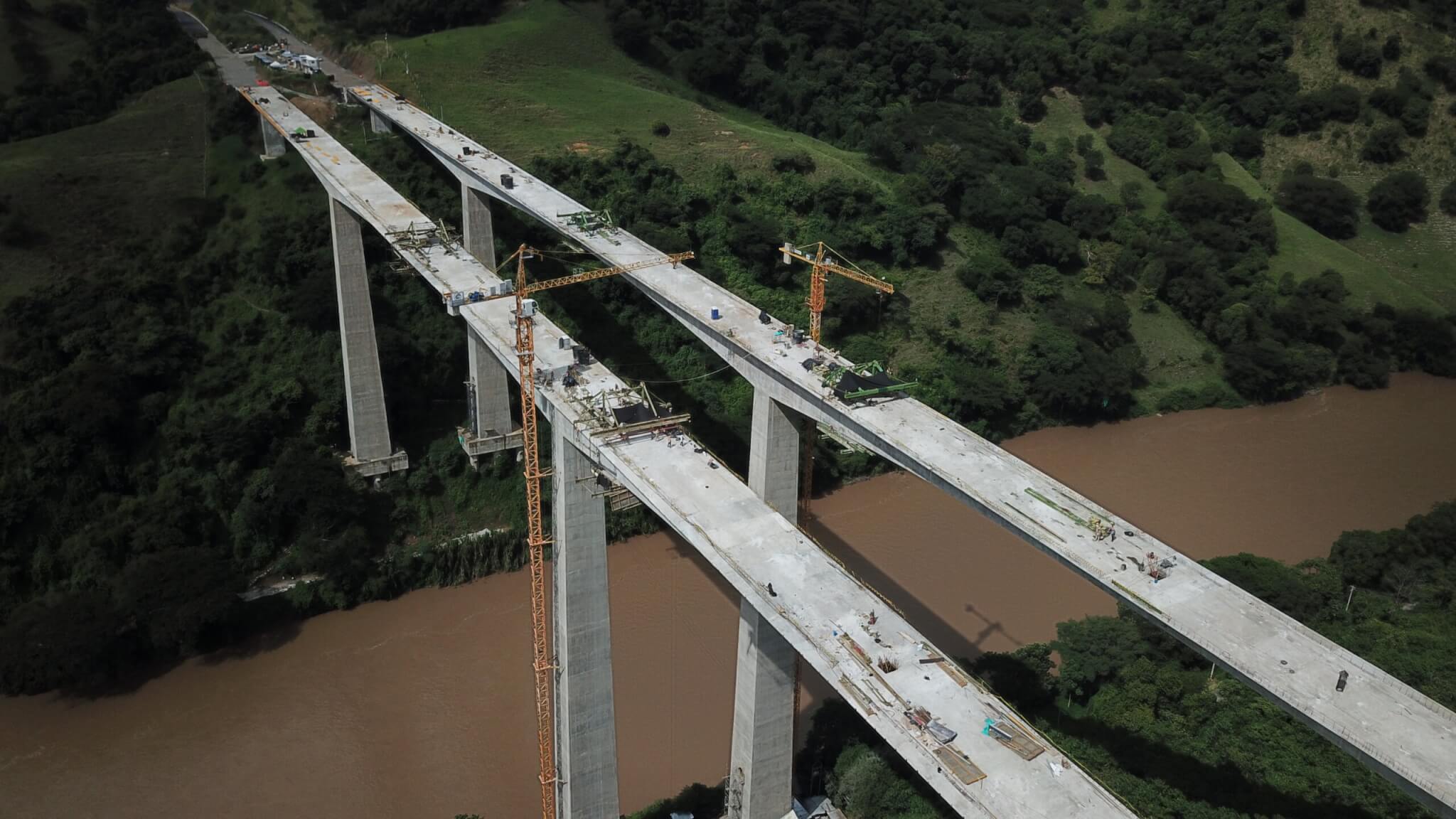
LC³ isn’t just a cleaner form of cement — it achieves strength comparable to ordinary Portland cement, while offering improved durability and lifespan, making it ideal for infrastructure projects like roads and bridges. Its greater durability means lower maintenance costs and fewer disruptions, while its cost-effective production strengthens local industries, saves taxpayer money, and creates jobs — proving that climate solutions can also drive growth and prosperity.
LC³ began with a joint discovery by two scientists, one studying clay quarries in Cuba, and one working in a Swiss lab. In the 1990s, Professor Fernando Martirena at the Universidad Central “Marta Abreu” de Las Villas in Cuba and Dr. Karen Scrivener at Switzerland’s École Polytechnique Fédérale de Lausanne developed a method to replace much of the clinker — the most carbon-intensive part of cement — with a blend of limestone and calcined clay, maintaining strength and improving durability.
That breakthrough became the LC³ Project, a group of researchers, universities, and producers working to make low-carbon materials accessible and affordable worldwide. The project has evolved into a global network of LC³ technical centers that connect scientists, engineers, and manufacturers eager to apply the innovation where it’s needed most.
From lab to large-scale production
One of the first LC³ technical centers was founded at the Indian Institute of Technology Delhi, where Dr. Shashank Bishnoi’s team adapted the LC³ formula to local materials and trained engineers to scale production. Within a few years, the innovation moved beyond pilot plants to commercial use in regions across the country.
LC³ has also taken off in Africa, the world’s fastest-urbanizing region. How Africa’s new cities are built will determine whether its growth fuels climate resilience — or amplifies risk.
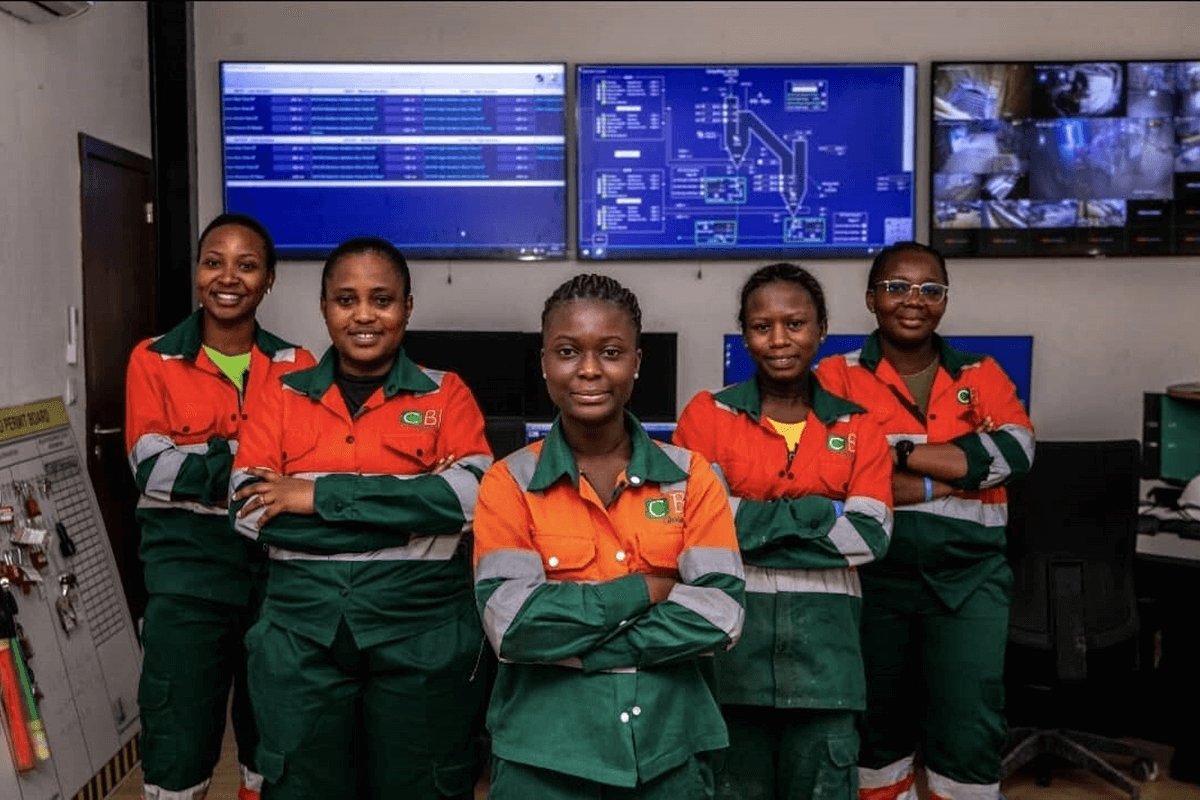
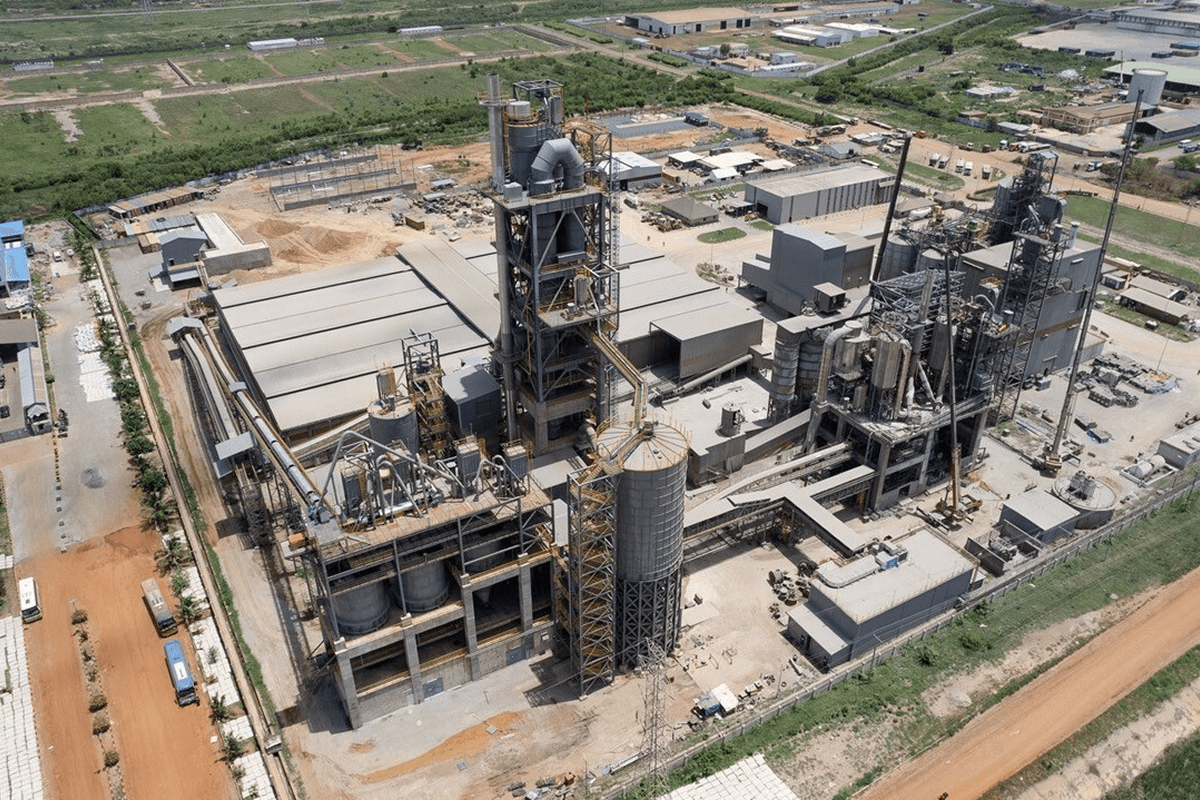
Opened in 2025, CBI Ghana is the world’s largest LC3 plant, driving local growth and creating 300+ jobs in Accra.
In Kenya, Professor Joseph Marangu leads the LC³ Africa Technical Resource Centre, working with producers, researchers, and entrepreneurs to localize LC³ production. His work at Meru University of Science and Technology starts with mapping clay deposits near existing cement plants, and aims to strengthen domestic industries, shorten supply chains, and create good local jobs in sourcing, transport, and manufacturing.
“The opportunity here is enormous,” Marangu says. “We have the materials, the expertise, and the chance to build prosperity without locking in pollution. LC³ allows us to create jobs and build clean infrastructure without sending our hard currency abroad.”
Today, there are 16 full commercial-scale LC³ plants operating in India, Colombia, Ghana, and France, with another 11 in development or under construction across Africa, Asia, Europe, and North America.
These deployments prove LC³ is market-ready — enabling inclusive, locally-led growth while delivering rapid payback periods and substantial operational savings that make low-carbon cement both practical and profitable today.
Accelerating the industrial transition
To scale breakthroughs like LC³ and accelerate this industrial transformation, ClimateWorks helped launch the Global Industry Hub in February 2025, a $200 million funder collaborative uniting philanthropies, technical experts, and industry leaders to tackle emissions at their source.
The Hub channels patient, risk-tolerant capital into technologies that are transforming steel, cement, and chemicals, an approach known as source investing.
“We’re not just cutting emissions — we’re building new markets at the source, where innovation meets industry,” says CEO Hyoeun Jenny Kim.
But perhaps the Hub’s greatest innovation is trust: acting as an honest broker and mission-aligned convener, it connects funders, innovators, producers, and civil society, building the trust and alignment needed to accelerate change. Through pooled funding, technical capacity, and support for civil society, the Hub strengthens the enabling environment for transformation. It helps early solutions scale by de-risking innovation and ensuring that capital and capacity flow to rapidly-industrializing regions, local manufacturing clusters, and the communities building the economies of the future.
Building the foundations of a low-carbon future
LC³’s journey from the clay quarries of Cuba to full-scale industrial plants on four continents shows what’s possible when ingenuity and catalytic capital come together.
The Global Industry Hub aims to make that transformation durable by working with innovators across continents to ensure that our industrial future is low-carbon, inclusive, and built to last.
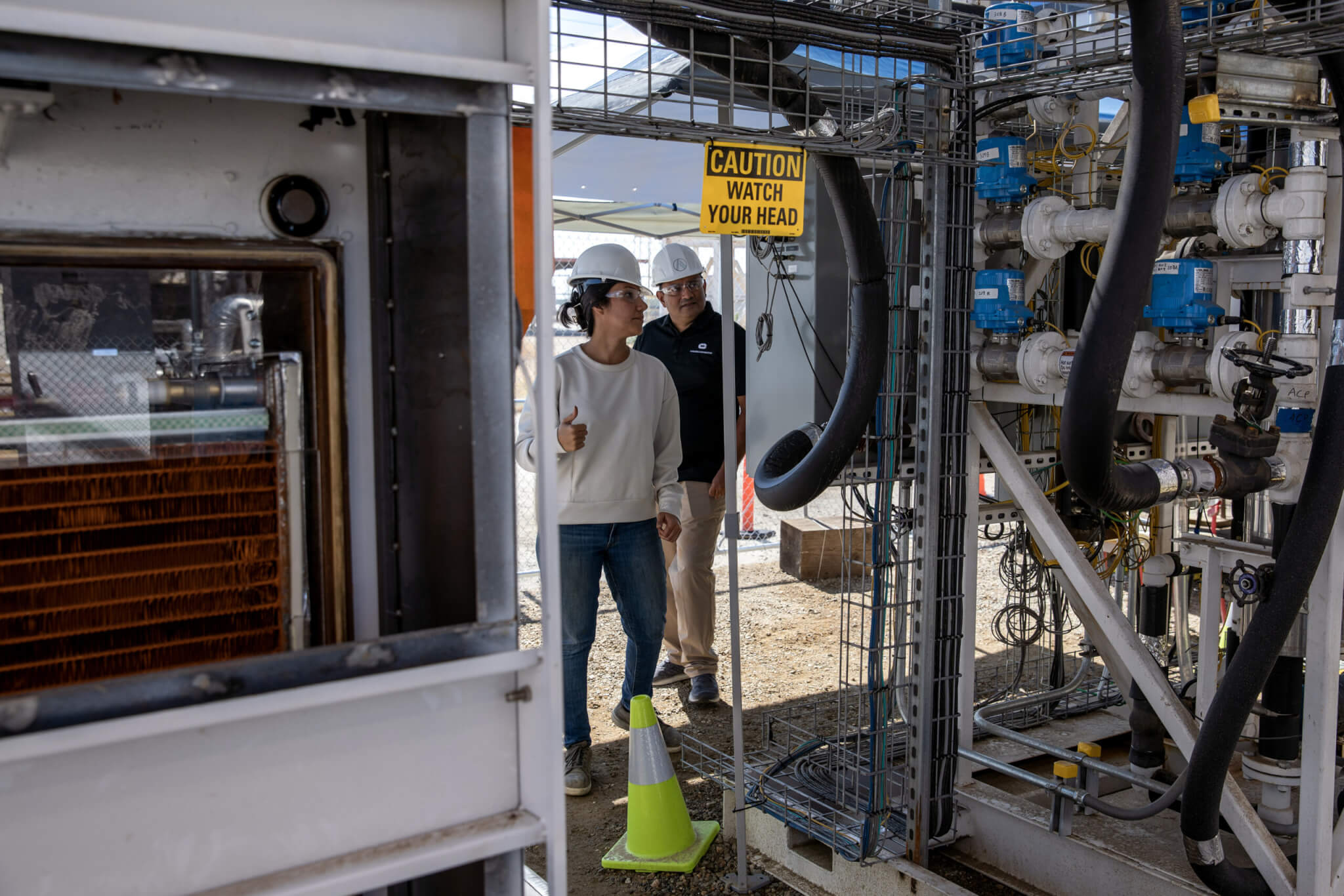

Direct air capture hubs can remove carbon dioxide from the atmosphere — and help advance a just transition toward greener jobs.
While reducing emissions is the most effective strategy to address climate change, the excess carbon dioxide that will remain in the atmosphere will need to be removed in parallel. Given that global emissions and temperatures have reached record highs, developing carbon dioxide removal (CDR) strategies now creates opportunities for removing vast amounts of carbon from the atmosphere, especially in the latter half of the century. CDR is critical for achieving the 1.5° C goals outlined in the Paris Agreement and reaching net-zero emissions by 2050 — provided that it does not extend a license to continue fossil fuel use.
To date, philanthropic funding for CDR has focused mostly on nature-based solutions like preparing forests, soils, and oceans to absorb carbon dioxide. While these are low-cost removal approaches that can scale right away, they cannot do the job alone. In addition to requiring vast amounts of land, nature-based solutions are increasingly vulnerable to climate change impacts.
Technological approaches such as direct air capture (DAC) — which uses fans to extract excess carbon dioxide from the air and then fuses it to rocks underground — can offer potentially more long-term solutions to complement nature-based strategies, and can withstand threats such as deforestation, wildfires, and tilling. In contrast to carbon capture and storage, DAC removes carbon dioxide from the air rather than at the emission source. In other words, DAC targets the carbon dioxide that will remain in the atmosphere even after emission reductions. Community-driven strategies are critical for helping ensure that DAC and other CDR efforts support decarbonization, benefit communities, and avoid replicating historic injustices.
Increasingly, emerging technology companies recognize the importance of accelerating carbon removal solutions. “We owe it to every climate vulnerable citizen to continue to deploy our technology at the urgent pace required to reach billion-ton scale and beyond in time to stop the worst of climate change,” shared Shashank Samala, co-founder of Heirloom, a DAC-focused company.
DAC hubs: A model for strategic investment
To ensure solutions like DAC are ready to scale by 2050, investors are beginning to fund them now, taking lessons from successful efforts to scale solar technology. Thanks to decades of strategic funding from the public and philanthropic sectors, the price of solar photovoltaic electricity dropped 89% between 2010 and 2022, and solar was the world’s fastest-growing source of electricity in 2023 for the 19th year in a row. A major catalyst for solar breakthroughs in the United States was the Obama administration’s creation of regional innovation hubs, which prioritized funding and incentives for utility-scale solar projects and accelerated green energy generation.
In an attempt to achieve similar successes for CDR, the Biden administration announced in 2022 a $3.7 billion investment to boost the industry in the United States. This investment supports the creation of regional hubs of CDR facilities, or “DAC hubs.” These hubs bring workers, engineers, communities, and other decision-makers together to drive continuous carbon removal innovation — all while advancing health and economic prosperity and working toward climate change mitigation goals. The funding has already unlocked an abundance of DAC research and development projects, building on years of foundational work supported by the public, private, and philanthropic sectors.
How philanthropy is helping scale DAC
Philanthropy has helped lay the groundwork for the growing public and private interest in a wide range of CDR approaches, including DAC. In 2018, ClimateWorks Foundation established its CDR program — the first coordinated approach from philanthropy to engage with environmental justice groups, policymakers, and advocates in scaling up CDR methods. “Together with our partners, ClimateWorks has had the opportunity to help build the field of CDR philanthropy — and to work on the responsible scaling of carbon dioxide removal solutions,” said Jan Mazurek, senior director for aviation and carbon dioxide removal at ClimateWorks.
Philanthropy has supported efforts to help ensure the just and equitable implementation of DAC hubs without the involvement of the oil industry.
Funders and leaders across industries have come together to help emerging strategies like DAC develop in a way that benefits people, supports decarbonization, and reduces reliance on oil companies — the group that has invested the most thus far in scaling DAC.
Philanthropy also supports the dissemination of research to public audiences, which can foster dialogue and build support for regionally appropriate and equitable CDR. One such example is the 2024 Roads to Removal report. Published by 13 research institutions and 68 subject matter experts, the report highlights regional opportunities for removing atmospheric carbon while producing environmental and socioeconomic benefits like improved air quality and well-paying jobs. Analyses like the Roads to Removal report will help to build momentum and community support for people-centered CDR solutions.
While funding for carbon dioxide removal has grown steadily since 2015, it remains a small fraction of overall foundation funding for climate change mitigation — about 5% of all climate philanthropic funding. From 2016 to 2020, annual foundation funding for carbon dioxide removal averaged around $50 million per year, according to ClimateWorks data. In 2021, foundation funding jumped to $155 million, the second-fastest growing sector that year. Since 2018, the majority of CDR funding has supported ecological strategies like forest restoration, with only about 14% of cumulative CDR funding going to technological solutions such as DAC.
Here are three ways philanthropy has supported efforts to scale direct air capture.
Sparking public and private investment by funding exploratory research
Philanthropy-supported research has helped seed public ambition, influencing policy and unlocking public funds. This has included funding research about the cost efficiency, feasibility, economic benefits, and associated risks of DAC technology. Additionally, philanthropy supported the development of research about CDR investment opportunities that has since informed recovery act legislation, including the the Infrastructure Investment and Jobs Act (IIJA) and the Inflation Reduction Act (IRA). The IIJA includes $3.7 billion for DAC hubs, nearly $260 million for DAC research, and $100 million for commercially viable CDR projects. A tax credit that implementing partners helped enshrine back in 2018 — amplified under the IRA — has spurred an additional $912 million in DAC investments, which will continue to grow thanks to recent enhancements.
Philanthropic support has also catalyzed private investment in DAC. For example, a ClimateWorks research grant helped Heirloom publish research that eventually helped to establish the first DAC facility in the United States. The facility runs entirely on renewable energy and was constructed with union labor. Additionally, Heirloom does not accept investment from oil and gas companies, which aligns with the company’s principles to center trust and equity. Meanwhile, Heirloom has adopted a community governance model in Tracy, California, where the facility has created a slew of green jobs. In 2023, Microsoft invested in Heirloom in one of the largest carbon dioxide removal deals to date.
ClimateWorks also supported the beginnings of private sector efforts to procure carbon removal. Today, the Frontier Fund, which began as a DAC buyer’s club supported by philanthropy, represents a $925 million commitment from companies like Meta, Shopify, Google, and Stripe to support carbon removal.

Advancing people-centered approaches to designing DAC projects
Philanthropy has supported efforts to help ensure the just and equitable implementation of DAC hubs without the involvement of the oil industry. The Community Alliance for Direct Air Capture (CALDAC), for example, is a coalition of research organizations, universities, technology companies, and community partners that is developing a community-led model for creating DAC hubs.
CALDAC works in California’s Central Valley, where the local workforce is already experiencing climate disruption, an unstable agricultural economy, and the worst air quality in the country. To understand how DAC hubs can contribute to a just transition for county residents, CALDAC convenes with community members to prioritize job creation, economic revitalization, and air quality improvement. Recent research shows DAC hubs can harness the same skill sets as oil and gas industry work, requiring little retraining and preserving high-paying jobs as oil companies abandon regions historically dependent on the industry.
CALDAC’s community-led model has garnered support from Central Valley residents and received a $3 million federal grant to further develop a replicable model for projects across the United States. Project 2030, a member of the coalition, also conceived of and sponsored a bill in California that requires DAC and other carbon capture projects to consider local safety and concerns, and bans its use for extracting more oil. This is the first regulatory foundation for governing the safe deployment of these technologies and can serve as a model for other U.S. states and beyond.

“Our conversations with community members show that many believe that DAC hubs present the opportunity to build not only climate-critical infrastructure but also economic and social opportunity,” says the research team from Data for Progress, a CALDAC member organization. “If done correctly, they can be a source of new partnerships, bridging climate-aligned industries to restore trust, repair damages, create new and attractive jobs with transferable skills from industries that are being phased out, and contribute to climate justice.”
Collaborating across sectors on decarbonization efforts
As the DAC industry evolves, philanthropy is helping build coalitions across sectors to advance DAC technology in a way that prioritizes community health, jobs, and decarbonization. For example, ClimateWorks’ CDR program collaborates with the aviation sector to explore DAC-derived aviation fuel, reducing dependence on the oil industry to scale the technology. This alternative jet fuel can lower aviation’s fuel-related emissions by as much as 90% and reduce fine particles that have caused respiratory illness for decades in airport-adjacent communities such as Oakland, Inglewood, and Compton in California.
In the largest deal for sustainable aviation fuel (SAF) to date, airline companies British Airways, Iberia, and Aer Lingus have committed to purchasing 785,000 total metric tons of DAC-derived jet fuel from Twelve over the next 14 years. Twelve, a ClimateWorks partner, also broke ground on a new facility in 2023 that will produce 1 million gallons of DAC-derived jet fuel annually to supply American Airlines and other airline companies.
Collaborative research and advocacy from environmental groups, airlines, and cities have led to laws that require the development of SAF, creating a positive policy environment for DAC-derived fuels. In the European Union, aviation companies convened with research institutions and environmental groups through the Fuelling Flight Initiative and worked collaboratively to set the vision and guardrails for the SAF regulation that was approved in 2023. Thanks to coordinated advocacy, this regulation now prohibits alternative fuels that exacerbate deforestation or biodiversity loss — like those derived from palm oil.

The road ahead
This decade is pivotal for the future of CDR. Developing CDR technology today in parallel with ongoing efforts to reduce emissions is crucial for limiting additional warming in the latter half of the century.
As a result, much more philanthropic funding and engagement on CDR is needed — including for technological solutions, which remain significantly underfunded. In addition to reducing emissions, the world will still need to remove 10 to 20 gigatons of CO₂ every year until 2100. One study found that meeting Paris Agreement targets will require scaling up technological CDR solutions by a factor of 1,300 by 2050.
Philanthropy can help ensure CDR solutions including DAC scale responsibly with justice and equity at the center. Funders can continue to share findings across sectors, support enabling environments that lower costs, and create opportunities for expanding technological CDR efforts globally. To learn more, funders can contact ClimateWorks, explore resources on CDR, attend regional events, and read about CDR’s role in addressing climate change.

Philanthropy came together at a remarkable pace to launch the Global Methane Hub — driving significant momentum for rapid action on reducing methane emissions.
In 2021, the European Union and the United States announced the Global Methane Pledge, inviting world leaders to reduce their countries’ methane emissions by at least 30% by 2030. This landmark Pledge came as a result of collaboration between governments, civil society, and philanthropy.
Since then, there has been remarkable global momentum for efforts to reduce methane emissions. As of February 2024, 155 countries have joined the Pledge, representing 70% of the global economy and half of human-caused methane emissions. In 2023, the European Union and the United States adopted their first-ever methane emissions regulations. And in December 2023, 50 top oil and gas companies pledged to reduce methane leaks from their production lines to “near zero” by 2030.
Methane has historically been overlooked in global conversations about climate change. However, the potent greenhouse gas is responsible for 30% of global temperature rise since the Industrial Revolution. Driven largely by the agricultural, fossil fuel, and waste management industries, methane is 84 times more powerful than carbon dioxide in warming the atmosphere over a 20-year period.
Cutting methane emissions could have an immediate impact and represents one of the most cost-effective ways to rapidly reduce the rate of global warming. “Quickly mitigating methane would be like hitting the emergency brake on global warming,” said Marcelo Mena, CEO of the Global Methane Hub. “Methane is the quickest way to decrease the temperature to buy time to address other dangerous pollutants.”
How philanthropy helped bring methane to the forefront
When the Global Methane Pledge was launched in 2021, more than 20 philanthropies committed an initial $223 million to support participating countries in implementing their promises to reduce methane emissions. This led to the formation of the Global Methane Hub to coordinate the distribution of the funds. Philanthropy has mobilized around landmark international agreements before — and it came together at an unprecedented pace to launch the Global Methane Hub, driving significant momentum for funding.
From 2015 to 2019, total foundation giving for super pollutants averaged $25 million annually, according to ClimateWorks Foundation data. Following the launch of the Global Methane Pledge, foundation funding to reduce emissions from super pollutants jumped to around $120 million in 2022, making it the fastest-growing sector that year. This included $70 million granted through the Global Methane Hub. However, the sector still accounts for less than 4% of foundation funding for climate change mitigation.
Here are five ways philanthropy has supported efforts to reduce methane emissions.
Expanding the evidence base for reducing methane emissions
Philanthropy has supported research that has helped make once-invisible methane emissions visible. Research published by the Environmental Defense Fund (EDF) between 2013 and 2018 showed that methane emissions were 60% more prevalent in the United States than the Environmental Protection Agency estimated. The research has since informed state and federal policies in the United States and beyond, leading to new technologies to reduce emissions and company commitments to prioritize methane reduction.
Philanthropy has also outlined cost-effective pathways for reducing emissions. As research from the International Energy Agency (IEA) and EDF has shown, the technology and the strategies already exist for reducing methane emissions from oil and gas operations by more than 75% — two-thirds of it at no net cost. The benefits of cutting methane this decade far outweigh the costs, according to the United Nations Environment Programme and the Climate and Clean Air Coalition (CCAC). In fact, rapid and widespread efforts could slow the rate of global warming by as much as 30% and avoid 0.2° C of warming by 2050, according to research led by EDF.
Building awareness of methane leaks and health impacts
Philanthropy has equipped advocates with the data and the means to communicate methane-related issues to the broader public. For example, Earthworks and the Clean Air Task Force (CATF) have used infrared cameras to investigate leaks at oil and gas extraction sites, revealing discrepancies in company-reported emissions data and leading to policy change. Earthworks also maps public health threats from oil and gas production.
With this data, Climate Advocacy Lab helps advocates optimize their public engagement campaigns and the Methane Partners Campaign pushes for national methane pollution standards. Media campaigns like CATF’s #CutMethaneEU and Climate Nexus’ Gas Leaks have helped bring international attention to health impacts associated with emissions, leading to press coverage and further action.
The Global Methane Hub carries on this work as it facilitates people-centered strategies across sectors. “The only way for methane solutions to succeed is if they bring local benefits,” said Mena. “We do it because it’s in the best interest of people and because of the multiple development gains that can be achieved.”
Driving policy change
Philanthropy has contributed to policy wins that will help reduce methane emissions. Using resources like CATF’s Country Methane Abatement Tool, an estimated 90% of the 195 countries participating in the Paris Agreement have incorporated methane reduction targets into their climate goals. 57 of these governments have gone further to develop methane-specific roadmaps — 31 supported by the CCAC, a grantee of the Global Methane Hub.
CATF also facilitates capacity-building workshops as governments develop targets, including Nigeria, the first African country to regulate methane emissions from its oil and gas sector. Meanwhile, leadership from Navajo and Pueblo tribal advocates and local NGOs in New Mexico led to some of the strongest methane regulations in the United States, influencing policies at the national and international levels.
Philanthropy is also facilitating peer-learning opportunities for leaders across sectors through efforts like the Global Methane Initiative. Regulatory roadmaps from IEA and CATF, as well as policy input from EDF, have already led to requirements for oil and gas operators to fix methane leaks in Canada, Mexico, the United States, and the European Union. The rule in the United States could reduce as much greenhouse emissions in 2030 alone as taking 28 million gas-powered cars off the road for the entire year.
Scaling accountability capabilities across sectors
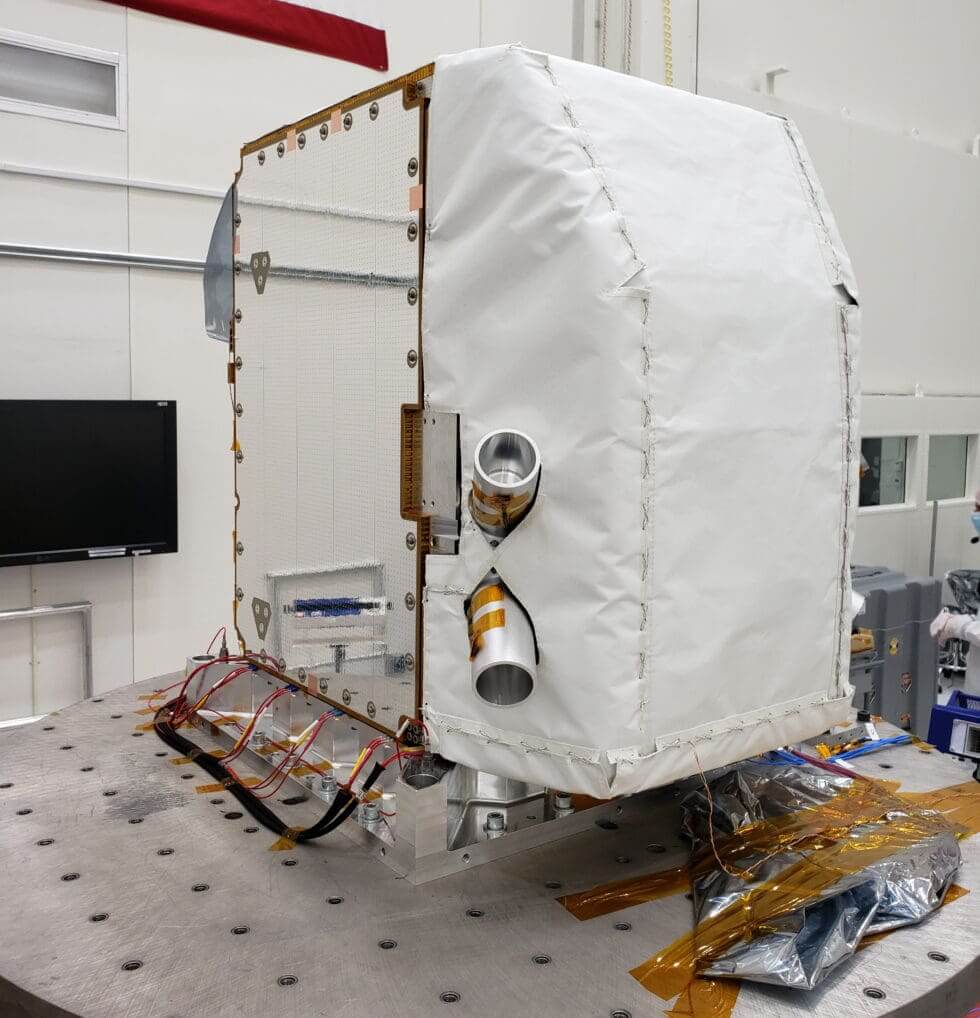
Philanthropy has supported the development of tools to help enforce methane regulations, and the Global Methane Hub’s coordinated approach has helped accelerate these efforts. Indigenous and local advocates are using tools from Earthworks and EDF to monitor methane emissions. Meanwhile, the MethaneSAT and Carbon Mapper satellites will make it faster and more affordable to track leaks and landfill emissions, respectively.
The Methane Alert Response System (MARS) uses this new infrastructure to send notifications of major leaks to governments and companies as they are detected. Already, the state of California is incorporating this satellite technology into its Methane Accountability Program. In February 2024, Google announced a partnership with EDF to map methane pollution and oil and gas infrastructure from space.
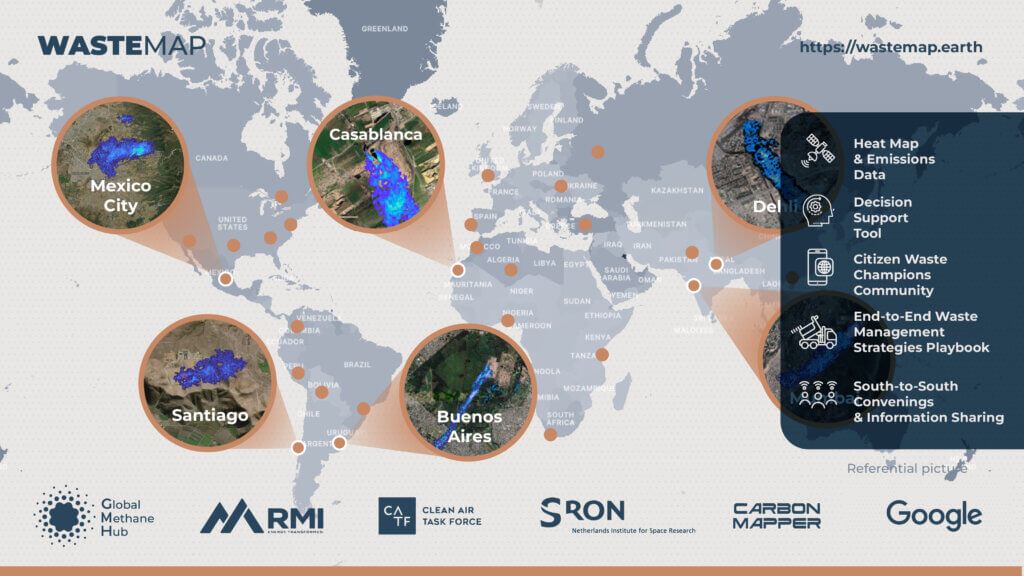
Another innovative effort is the Waste Methane Assessment Platform (WasteMAP), an open-source tool that consolidates methane emissions data from the waste sector to identify reduction opportunities. 20 mega-cities representing more than 135 million people have connected to the platform since its launch in December 2023.
Philanthropy has also supported the development of accountability frameworks to put pressure on oil and gas companies. The Oil & Gas Methane Partnership 2.0, developed in part by EDF, offers an emissions reporting framework already signed by 62 companies that represent 30% of the world’s oil and gas production.
Unlocking public, private, and Multilateral Development Bank (MDB) funding
Through its collaborative approach and global strategy, the Global Methane Hub has successfully unlocked additional funding for methane solutions and increased philanthropic engagement with leaders in the Global South. “We see the climate problem through an integrated, developmental lens,” said Mena. “And we bring others along in that vision.”
The Global Methane Hub has also provided accelerator support to launch multilateral initiatives. For example, with the Hub’s support, the Inter-American Development Bank (IDB) developed its Too Good to Waste Initiative. The effort will steer a roughly $350 million portfolio to avoid additional waste-related methane emissions in Latin America and the Caribbean. The Hub also helped catalyze a $500 million investment from the UN’s International Fund on Agriculture Development (IFAD) and a World Bank initiative to end flaring.
Overall, global financing for methane abatement increased by 18% following the Global Methane Pledge, totaling $13.7 billion from 2021 to 2022. In 2023, commitments from Global Methane Pledge partners reached an all-time high of $1 billion, more than tripling from the year before. Nonetheless, there is room for growth, as support for methane reduction still accounts for less than 2% of global finance for climate change mitigation.
The road ahead
While there is encouraging progress on reducing methane emissions, much more funding is needed to build on this momentum. The Climate Policy Initiative estimates the need for at least $48 billion in global annual investment — 3.5 times current levels — between now and 2030 to meet global methane targets. Now that the world is starting to pay attention, those targets are potentially achievable.
“The work we do is so critical,” said Mena, “not just for rolling back the clock on the global temperature rise, but for creating a better and more sustainable way of living for billions of people around the world.”
To learn more, funders can explore funding priority areas identified by EDF and the Global Methane Hub, along with newer initiatives focused on researching agricultural methane emissions, phasing out super pollutants, developing accountability frameworks, and addressing waste. Funders can also contact ClimateWorks for support in building an effective climate strategy.


Getting cooling right would save thousands of lives every year and reduce food loss — and could prevent 100 gigatons of greenhouse gas (GHG) emissions by 2050, equivalent to two years of global emissions.
As climate change continues to drive record-breaking temperatures and heat waves, the safety and livelihoods of billions of people are increasingly at risk. Currently, more than 1.1 billion people in rural and urban communities are at risk due to lack of access to cooling, which makes it more difficult to stay healthy, learn and work productively, and keep food and medicines at safe temperatures. One thing is clear: access to cooling is no longer a luxury — it is a human right.
Global energy demand for cooling is expected to triple in the coming decades, according to the International Energy Agency. The roughly 2 billion air conditioning units in use today are already top drivers of global electricity demand. By 2050, 3 billion more units are projected to be in operation. Without energy efficiency improvements, this growth in the number of cooling appliances would lead to as much electricity use as all of China and India today. This increase would further stress electricity grids, which in turn could contribute to more blackouts and brownouts, as well as drive the use of heavy-polluting fossil fuel-based peaker plants.
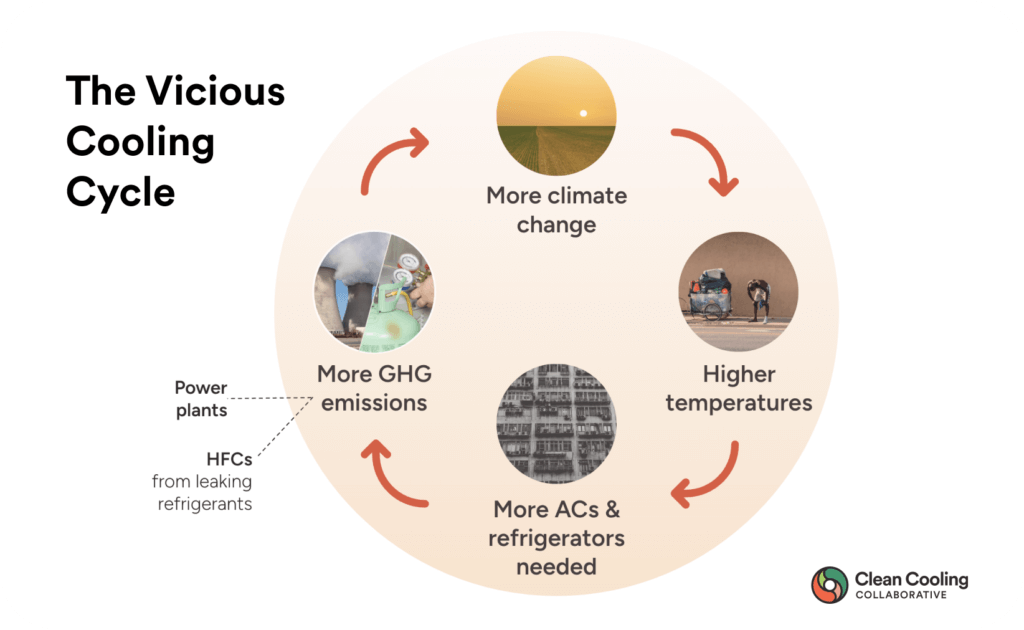
The growing global demand for cooling contributes to what has been described as the “cooling conundrum.” As the planet gets warmer, demand for cooling goes up. Also, as populations continue to grow, more air conditioners and refrigerators are installed. These cooling technologies add billions of tons of planet-warming greenhouse gas emissions like carbon dioxide and hydrofluorocarbons (HFCs) to the atmosphere due to their energy consumption and refrigerant leakage. “It’s a vicious loop,” says Sneha Sachar, India Cooling Lead for ClimateWorks Foundation’s Clean Cooling Collaborative (CCC). “We cool the indoors, but we warm the outdoors, therefore generating the need for yet even more cooling.”
Over the last few decades, science, policy, diplomacy, and technology have teamed up to respond to the cooling challenge. Collectively, these efforts contributed to the signing of the Kigali Amendment in 2016. This was an amendment to the landmark Montreal Protocol, a global treaty that entered into force in 1989 and banned chlorofluorocarbons (CFCs), greenhouse gases that caused the depletion of the ozone layer. The Kigali Amendment, in turn, committed to a phasedown of the production and consumption of HFCs, which had largely replaced CFCs as the refrigerant used inside air conditioners and refrigerators following the implementation of the Montreal Protocol. If implemented fully, this HFC phasedown could avoid up to 0.4° C in global temperature increases by 2100.
To deepen impact and further reduce emissions, climate leaders have made efforts to get manufacturers to simultaneously incorporate energy efficiency improvements in their cooling technologies as they redesign their production lines and products to switch to more climate-friendly refrigerants that have much lower global warming potential. This unprecedented pairing of strategy for efficiency improvements with the HFC phasedown has set a tone for more collaboration in global clean cooling efforts.
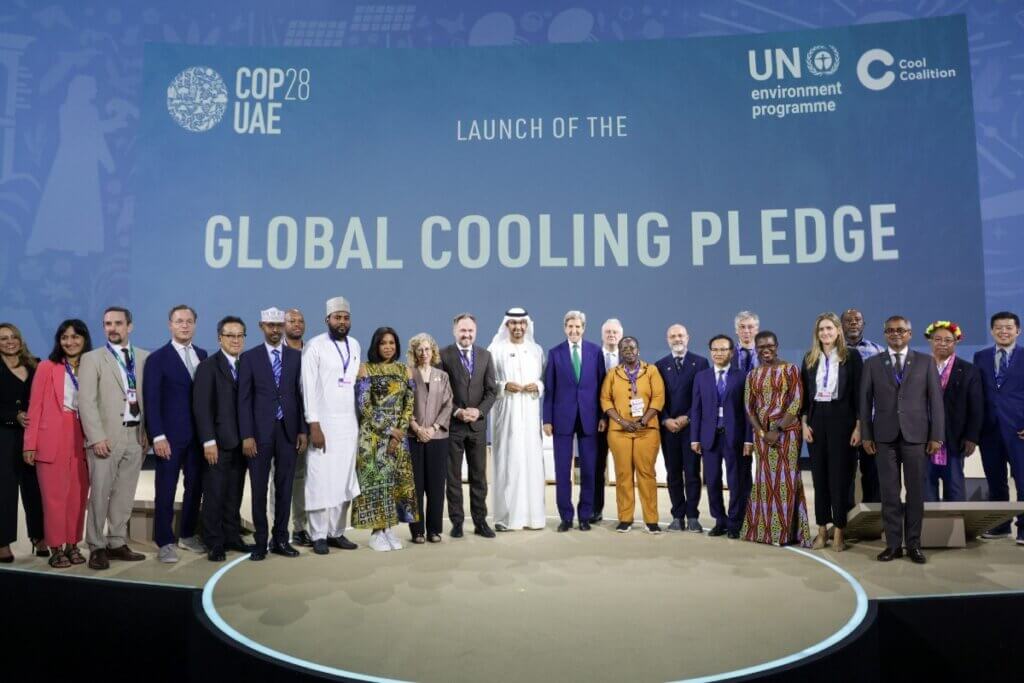
Years later, we continue to see more integrated approaches to tackling cooling. For example, the Global Cooling Pledge was launched and announced at the 28th United Nations Climate Change Conference (COP28) in December 2023. In a major international collaboration, led by the UN Environment Program’s Cool Coalition and UAE COP28 Presidency, more than 60 countries to date have committed to take immediate steps to improve the sustainability of cooling appliances, scale passive and mechanical clean cooling efforts, and increase access to clean cooling for those most at risk in a warming world.
How philanthropy has bolstered progress for clean cooling
Philanthropy has played an active role in advancing clean cooling initiatives. In 2017, 18 leading climate funders recognized an opportunity around the adoption of the Kigali Amendment. Together, these funders established the Kigali Cooling Efficiency Program (K-CEP), which laid the initial groundwork for a cross-cutting, focused approach to advance clean cooling.
Housed at ClimateWorks Foundation, K-CEP initially pooled $52 million to support low-income countries as they paired their HFC phasedown activities with improved energy efficiency opportunities for various categories of cooling appliances. In 2022, the program’s name and strategy areas evolved to become the Clean Cooling Collaborative (CCC), focusing on regions that are projected by the International Energy Agency to have the highest contribution to cooling-sector-related GHG emissions over the next 30 years (China, India, Southeast Asia, and the United States). CCC takes an intersectional approach, working to reduce the cooling sector’s greenhouse gas emissions; increase access to efficient, climate-friendly cooling for heat-vulnerable communities; and continue elevating clean cooling on the international agenda.
K-CEP and CCC’s grants have created an enabling environment for clean cooling to scale, and many of those grants have created ripple effects of impact. For example:
- More than 100 countries have built cooling-specific policies into their national climate strategies or Nationally Determined Contributions (NDCs) — work that will only deepen with the more than 60 countries who have signed the Global Cooling Pledge thus far.
- 30 countries have developed energy efficiency policies or standards for cooling appliances to ensure that every new air conditioner and refrigerator sold meets a minimum level of efficiency. This will help prevent countries in the Global South from becoming the dumping ground for the least efficient products on the market that can no longer legally be sold elsewhere.
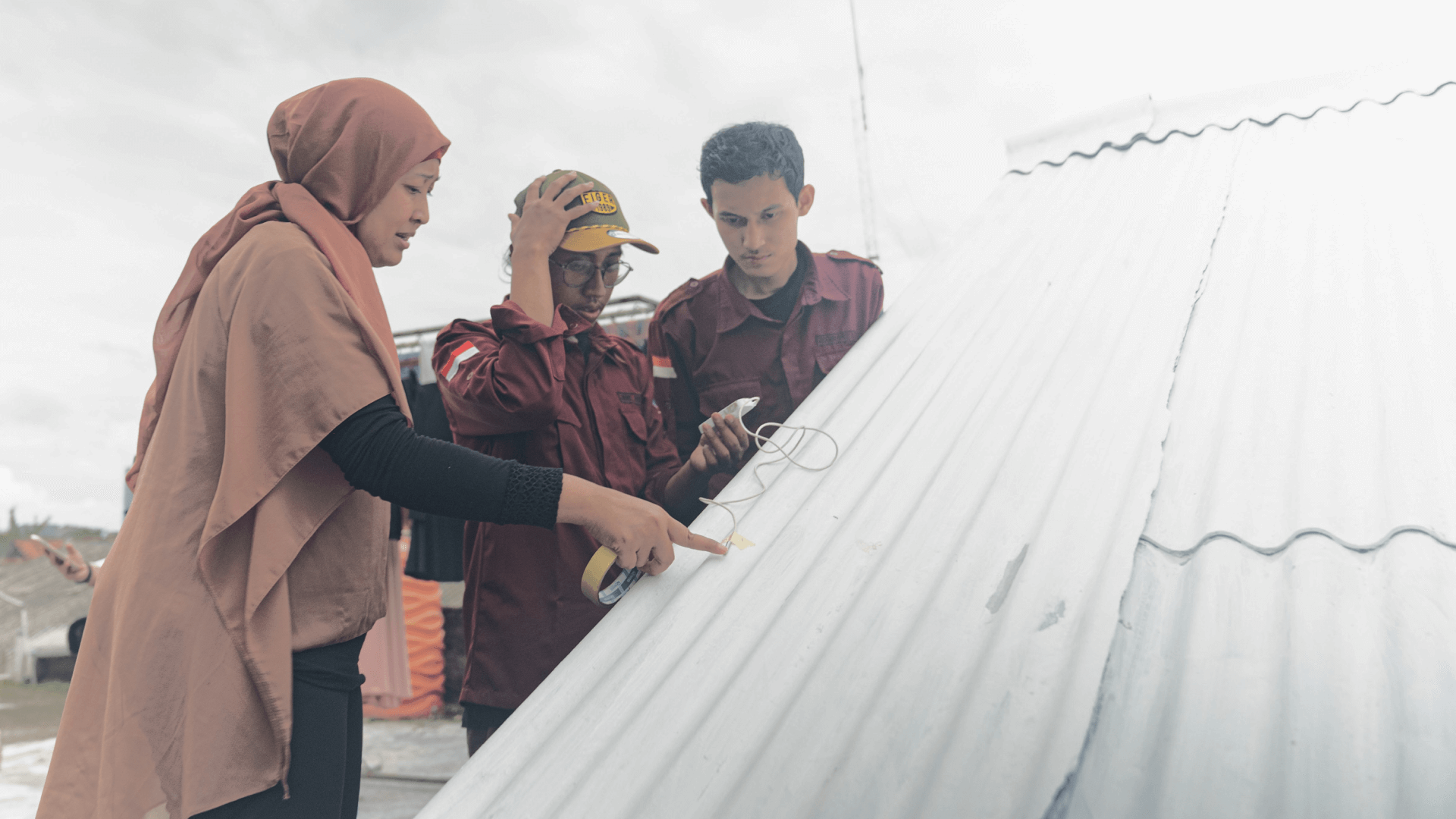
- More than 1.1 million square meters of new, solar-reflecting “cool roofs” have been installed globally as part of the Million Cool Roofs Challenge — an area equivalent to 250,000 small household rooftops.
Ultimately, building on the foundations laid by K-CEP, CCC works at many levels of the global cooling agenda, acting as a hub to catalyze research and demonstrations, policy, finance, and market transformation. CCC has created a community of more than 30 grantees from around the world and hosts an annual convening of its grantees and funders to exchange updates on successes, new opportunities, and ways to jointly accelerate change in this space.
These are some of the levers that philanthropy has used to make an impact in the cooling space:
Identifying opportunities and sparking innovation
In the early days of K-CEP, the importance of expanding access to cooling was clear — but just how many people lacked that access wasn’t yet quantified. Some of the initial investment went toward defining the gaps within policy, technology, and finance, along with the opportunities to address them. Building country-specific political and economic awareness became essential for future work to raise cooling access.
K-CEP and its partners also facilitated prizes and competitions that illustrated the efficacy of emerging cooling solutions and incentivized the development of new ones. For example, the Million Cool Roofs Challenge helped scale the adoption of passive cooling strategies, which reduced indoor temperatures by a few degrees Celsius and led to global recognition.
CCC continues this work to transform markets that enable wide-scale deployment of efficient, climate-friendly cooling solutions. The CCC-led Global Cooling Efficiency Accelerator, for example, builds on the work of the Global Cooling Prize (an initiative of RMI, the Government of India, and the United Kingdom’s Mission Innovation) to bring to market super-efficient room AC prototypes that have a five times lower climate impact than the average model today. According to an analysis from RMI, a shift to room air conditioners that deliver this superior efficiency and use more climate-friendly refrigerants can prevent up to 5,900 terawatt hours of electricity per year by 2050 — the equivalent of two times the annual electricity generated within the European Union.
Removing financial barriers to the clean cooling transition
Philanthropy can support the piloting of financial incentives and business models that encourage consumers, service providers, and companies to reach for more energy-efficient options. For example, K-CEP supported the roll-out of new business models like cooling-as-a-service (CaaS), where consumers pay for cooling or refrigeration on a per-unit basis, enabling commercial end users to access efficient technologies without the investment costs. On-bill and on-wage financing programs in Rwanda, Ghana, and Senegal have helped consumers overcome the higher upfront cost of energy-efficient air conditioners and refrigerators.
These days, CCC works to help markets transition to more efficient cooling strategies through the development of pilot demand response programs, which take stress off the electric grid during periods of peak power demand while crediting consumers for their reduced energy use. For example, a groundbreaking demand response program in China holds the potential to save consumers, businesses, and utilities significant expenditures while also reducing the likelihood and duration of power outages. The wider adoption of demand reduction initiatives in China could yield savings of $40 billion over a decade, primarily through the avoidance of having to build and operate additional power plants.
Convening and collaborating
Philanthropy has a unique ability to convene experts from across geographies and sectors. In 2017 and 2018, energy policymakers and Montreal Protocol compliance officers across 147 countries met in philanthropy-supported “twinning” workshops to build bridges between ministries, many for the first time. Then in 2019, K-CEP joined forces with the U.N. Environment Programme to launch the Cool Coalition, which aims to foster collaboration between governments, businesses, and civil society to advance efficient, climate-friendly cooling. These earlier efforts from K-CEP have led to the rapid scaling of best practices, the development of National Cooling Action Plans (NCAPs), and continued cooperation between actors.
“I had been working on energy efficiency for 25 years and it never occurred to me to team up with the ozone people,” said Mirka della Cava, Head of Policy for CCC, about why she spearheaded K-CEP’s support of these early workshops. While agencies continue to benefit from ongoing dialogue on the linkages between refrigerant transitions and energy efficiency, the work that K-CEP supported on the development of NCAPs is an example of how national ozone units successfully prepared approaches to achieving more efficient cooling, often outlining specific measures such as minimum energy performance standards (MEPS) for cooling products.
Now, CCC builds on this legacy of cooperation as they support countries working together toward the common goals articulated in the Global Cooling Pledge.
Influencing policy by defining best practices
Through both K-CEP and CCC, ClimateWorks’ cooling program has helped foster a global ecosystem built upon the sharing of best practices by collaborating with local arenas and learning from their implementation and expertise. The development of model policies by CCC’s grantees offers a customizable framework for countries to establish MEPS. These templates provide best practice guidelines for what actions are needed to transition to more efficient cooling appliances. From there, countries can take into account their region’s markets.
CCC’s support for this emerging community of practice has consolidated best practices and rapidly scaled up the development of effective policy — all in a way that aims to honor a wide range of local contexts around the globe. “You can’t skip over how the local context will embrace or realistically implement best practices,” says della Cava. “CCC and our partners have been asking ourselves: how can we create resources and models that can be picked up, adopted, and absorbed by a diversity of local actors?”
A partnership with Energy Foundation China successfully saw the implementation of new MEPS which resulted in variable speed ACs rapidly scaling in just one year, to represent 98% of the AC market — virtually eliminating its less efficient fixed speed counterparts that use roughly 35% more energy and saving consumers billions in reduced utility bills. Philanthropy-backed efforts have also enhanced the implementation of MEPS, as seen when CCC-supported workshops with Ghana’s Energy Commission led to the improved compliance of its efficiency labeling standard and enforcement for imported cooling products. As countries adopt these best practices, they inspire other regional efforts.
The road ahead
Announced at COP28, the Global Cooling Pledge marked a historic moment to raise international ambition for clean cooling. A growing list of countries (more than 60 to date) and non-state actors have signed the pledge and committed to taking immediate steps to improve the sustainability of cooling appliances, scale passive and mechanical clean cooling efforts, and increase access to clean cooling for those most at risk in a warming world. The cooling sector also released its first-ever stocktake report, outlining the potential pathways to cut cooling-related emissions by more than 60% by 2050 and expand cooling access to 3.5 billion people.
The global momentum behind cooling efforts is an encouraging step, made possible in part by a vast and growing network of climate funders, grantees, and partners around the world. Further progress will take significant additional investment. More funding is needed to build on this momentum, ensure the achievement of global commitments, and scale cooling access in a way that centers on those most impacted by a warming world. To learn more, funders can contact ClimateWorks and explore resources such as CCC’s solution areas, reports, and newsletter.
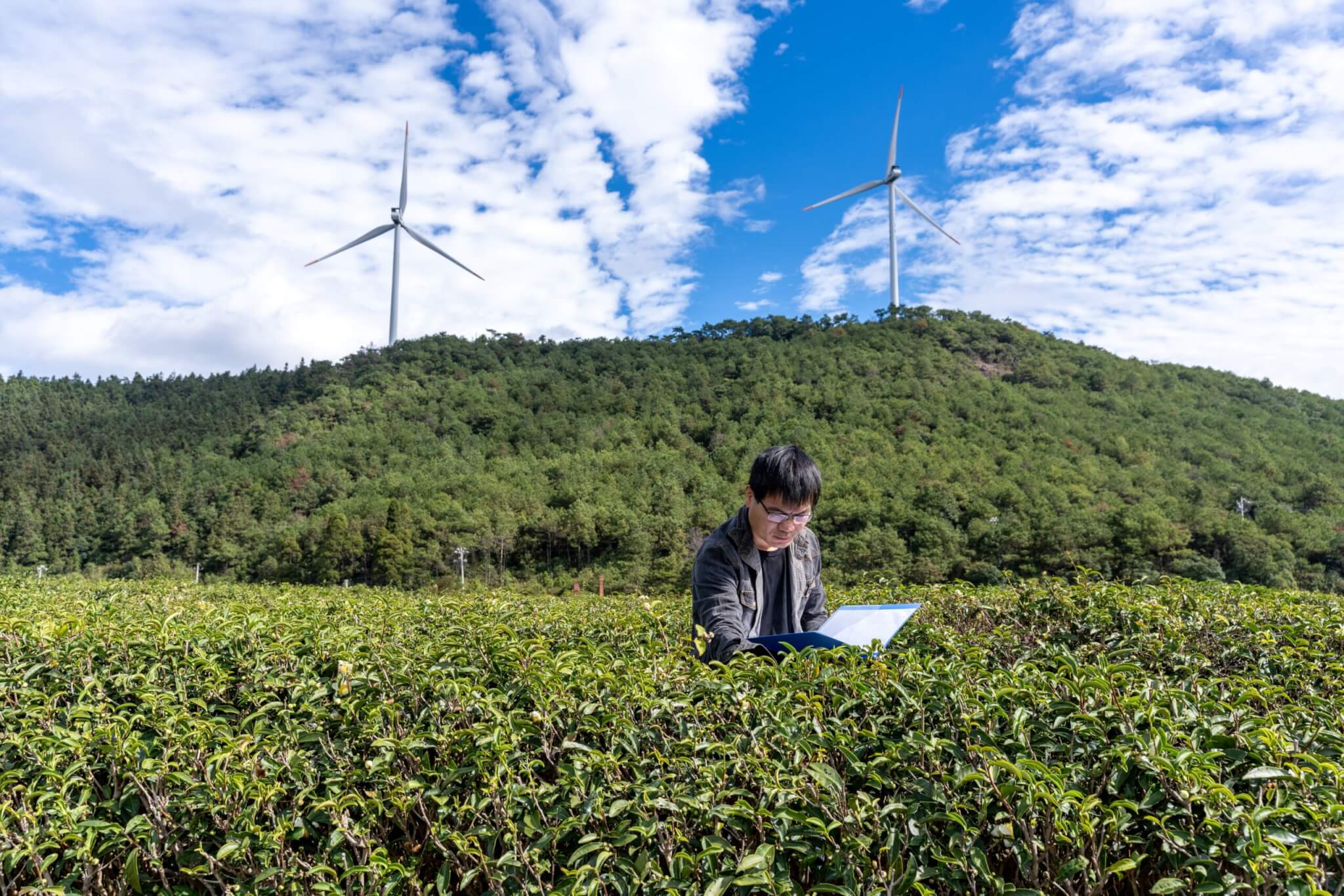

Philanthropy can help catalyze a shift toward more sustainable, just, and resilient systems, societies, and economies.
Imagine what the world could look like in 2050. Our power grids run on renewable energy. Everyone has access to the energy they need to cook, light their homes, and stay cool. Almost every coal plant and oil refinery on the planet has been retired. Electric public transport and cars take us where we need to go while keeping the air we breathe clean. Indigenous and local communities have the legal recognition and support they need to nurture healthy forests. The world has transitioned to a global green economy that enables healthy lives, good jobs for all, and a thriving planet.
In the words of the poet Lucille Clifton, “We cannot create what we cannot imagine.” That is why I’m proud to introduce ClimateWorks Foundation’s new series of impact stories, which spotlights a diverse and expanding community of global changemakers driving transformative climate action and illustrates how philanthropy has supported their efforts. Philanthropy is increasingly mobilizing to support bold climate action, as evidenced by the entry of more funders into the arena, a growing community of grantees, and a tripling of foundation funding since 2015. While the demands of the climate crisis are daunting, those implementing solutions on the ground give us reason to hope.
The time to act is now
The urgency has never been greater to replicate the climate successes supported by philanthropy as widely as possible. Climate change is not a distant concern but a current reality affecting communities worldwide. Global climate initiatives are falling short of Paris Agreement targets and philanthropic funding for mitigating climate change saw a disappointing plateau last year.
Even so, there is progress to celebrate and build upon. In 2014, our trajectory pointed to a planet 3.7° C warmer than pre-industrial levels by the century’s end. Current policies have successfully altered our course, positioning us toward an approximately 2.5° C rise. The progress so far is pivotal, but a future above 1.5° C of warming would still be catastrophic. More action is needed to accelerate climate solutions at the speed and scale that will ensure a healthy and equitable future for all.
The climate crisis calls for unprecedented collaboration among governments, the private sector, and civil society. Philanthropy is uniquely positioned to help catalyze the transformative shift we need toward more sustainable, just, and resilient energy and food systems, societies, and economies. Philanthropy can be risk-taking and nimble, trying different approaches and pivoting quickly in response to new challenges or opportunities. Philanthropy can convene disparate actors and mobilize resources for those implementing change on the ground in pursuit of a more prosperous future for all. Philanthropy is also able to both invest in long-term horizons and support immediate needs. Additionally, unlike the private sector, philanthropy is willing to invest for impact rather than financial return alone, supporting geographies where the need is highest and catalyzing additional investment from the public and private sectors.


A roadmap for driving bold climate action
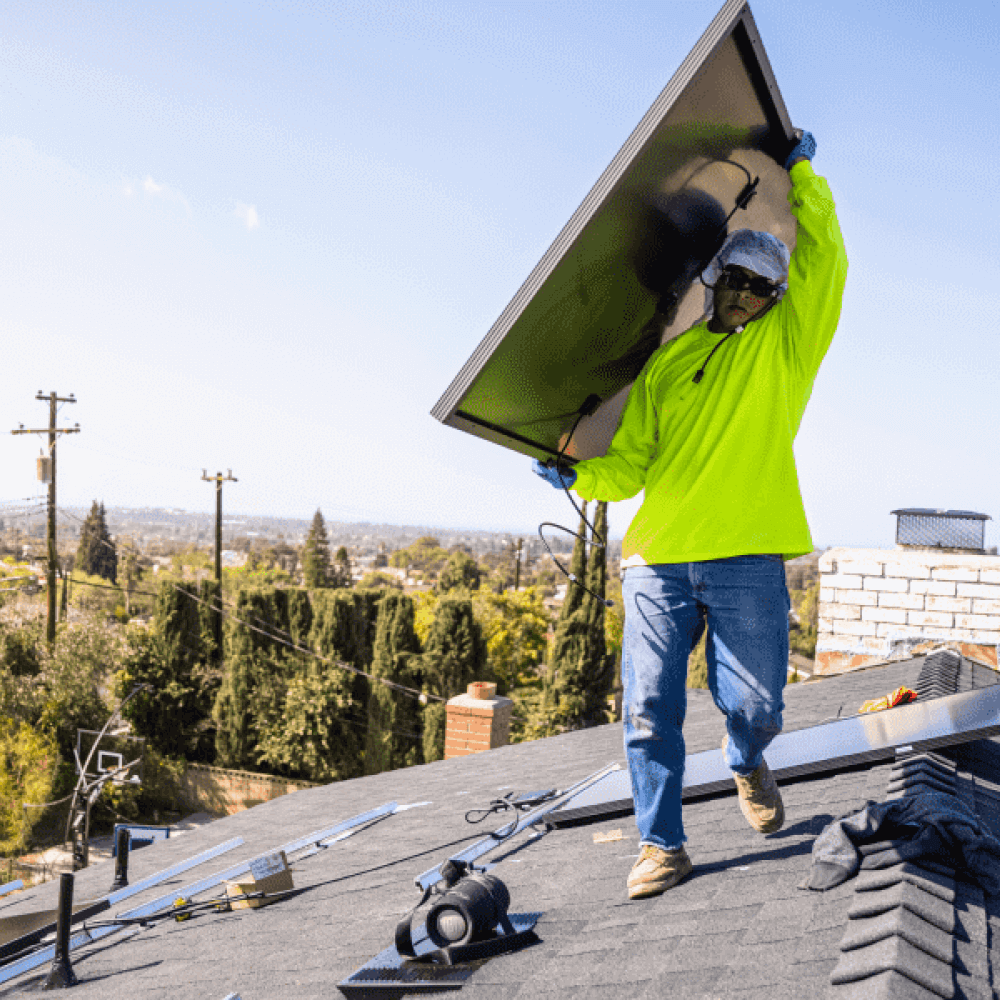
Philanthropy has already played a significant role in supporting bold climate action — engaging with efforts to advance renewable energy, accelerate the adoption of clean transportation, advocate for Indigenous and local land rights, tackle super-pollutants, and achieve clean cooling for all. For example, since 2017, 57 countries have developed new policies and programs dedicated to climate-friendly, energy-efficient cooling technology based on models driven by the Clean Cooling Collaborative, a philanthropic initiative. With support from the Beyond Coal campaign, at least 40% of coal-fired power plants in the United States and 50% in Europe have been retired. Electric vehicles have taken off faster than expected, with exponentially growing sales in some of the highest-emitting regions. The Drive Electric Campaign, a network of more than 100 organizations around the world, has helped accelerate EV adoption in these regions by building political will and technical capacity. Philanthropy has supported efforts to elevate Indigenous and local community land rights on the global stage, leading to historic levels of support through the Indigenous Peoples and Local Communities’ Forest Tenure Pledge announced at COP26. A growing carbon dioxide removal movement has received philanthropic support, which has helped the sector scale responsibly and thoughtfully. Philanthropy also helped shape the historic Inflation Reduction Act — the boldest climate action from the United States to date — and has a critical role to play in its implementation.
Our growing collection of impact stories, like the ones noted above, highlights the replicable, intersectional, and collaborative approaches that were essential to these philanthropic successes and others like them. We will continue to bring stories from people implementing change on the ground as well as both new and experienced climate funders mobilizing resources across a range of geographies. We hope these stories will illuminate the expansive efforts that have already driven climate progress and ultimately inspire the philanthropy community to keep pushing for even bolder action — individually, collaboratively, and with partners through innovative new efforts like the Giving to Amplify Earth Action (GAEA) Initiative, the IKEA Foundation’s Just Transition Fund, and the Philanthropy for Asia Alliance. Please stay tuned for more stories in the months ahead.
Reach out to us to share your success stories or to learn how you can contribute to advancing climate action, and read more climate philanthropy impact stories here.
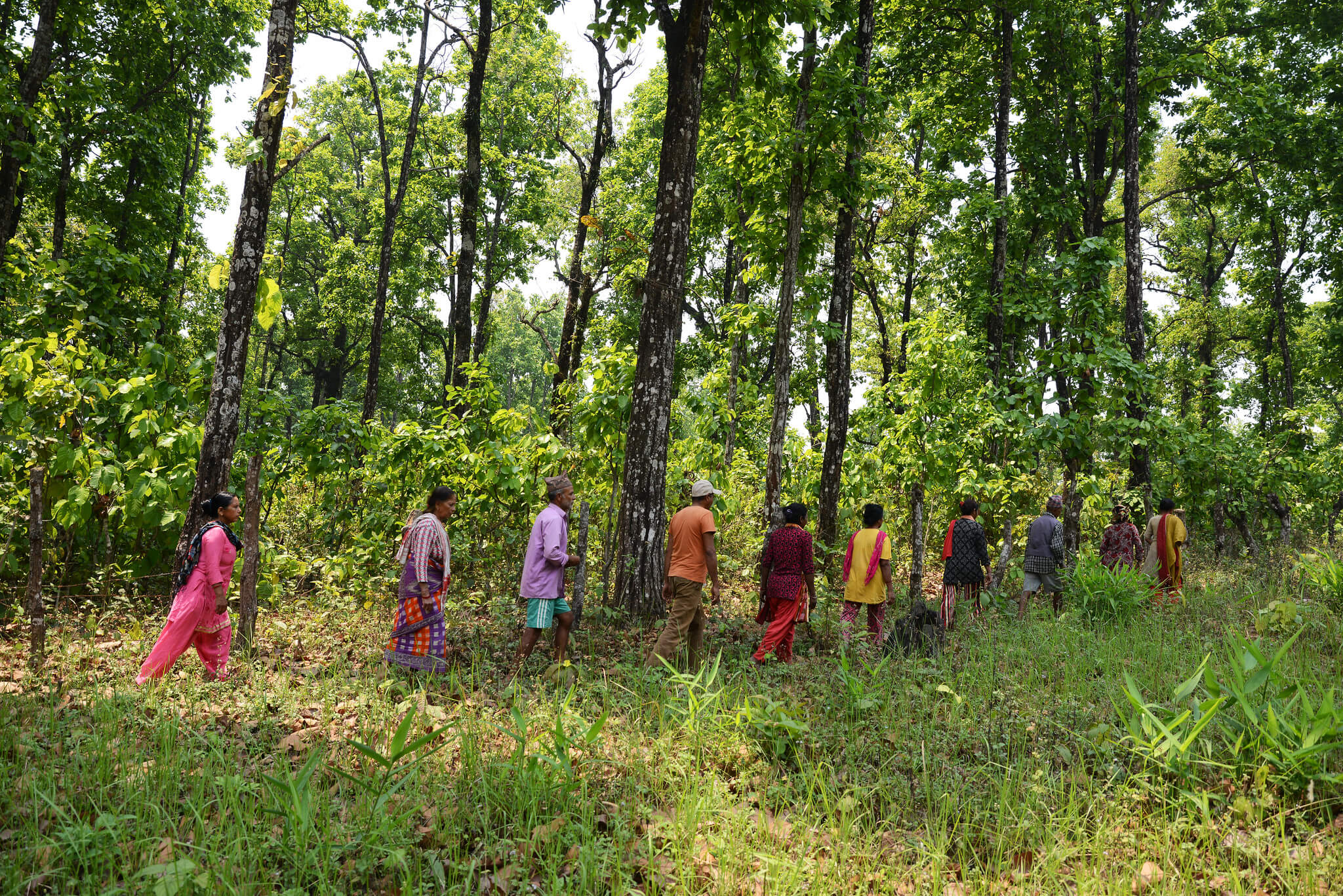
Strong Indigenous and local land rights are critical for managing forests, reducing greenhouse gas emissions, preserving biodiversity and culture, and improving livelihoods.
Around 1.6 billion people worldwide live near and depend on forests for their livelihoods. Forests are home to 80% of the world’s terrestrial biodiversity. They are also vital to efforts to address the climate crisis: while greenhouse gases are emitted when forests are degraded and destroyed, forests absorb roughly twice as much carbon as they emit each year. Forests are a crucial ‘carbon sink’, absorbing one-third of the global carbon dioxide emissions from the atmosphere released primarily from burning fossil fuels. “When it comes to storing carbon, forests can potentially buy an extra 10 or 20 years for the Earth to manage its transition from fossil fuels,” said David Kaimowitz, who has long worked at the intersection of forests, agriculture, and local communities and now serves as the chief programme officer for the International Land and Forest Tenure Facility.
Around the world, Indigenous Peoples and local communities (IP&LCs) are leading the way in protecting forests and the climate. Protected Indigenous lands hold the world’s healthiest and most biodiverse forests. Research shows that forests managed by IP&LCs have lower rates of deforestation. For example, a 2021 UN report found that in Latin America, deforestation rates were up to 50% lower in Indigenous territories. Additionally, IP&LCs manage at least 24% of the total carbon stored above ground in the world’s tropical forests, making them essential leaders in global efforts to protect the climate.
Strong Indigenous and local land rights are critical for managing forests, reducing greenhouse gas emissions, preserving biodiversity and culture, and improving livelihoods. Specifically, formal land rights can provide long-term tenure security, access to finance, food security, increased gender equality, and climate resilience while decreasing deforestation rates. However, Indigenous Peoples, Afro-descendant Peoples, and local communities around the world face significant barriers to securing land tenure. They inhabit at least 50% of the world’s land but legally own just 11%. Many countries have no procedures to title or register community land — or they limit the customary land that qualifies for formal land rights.
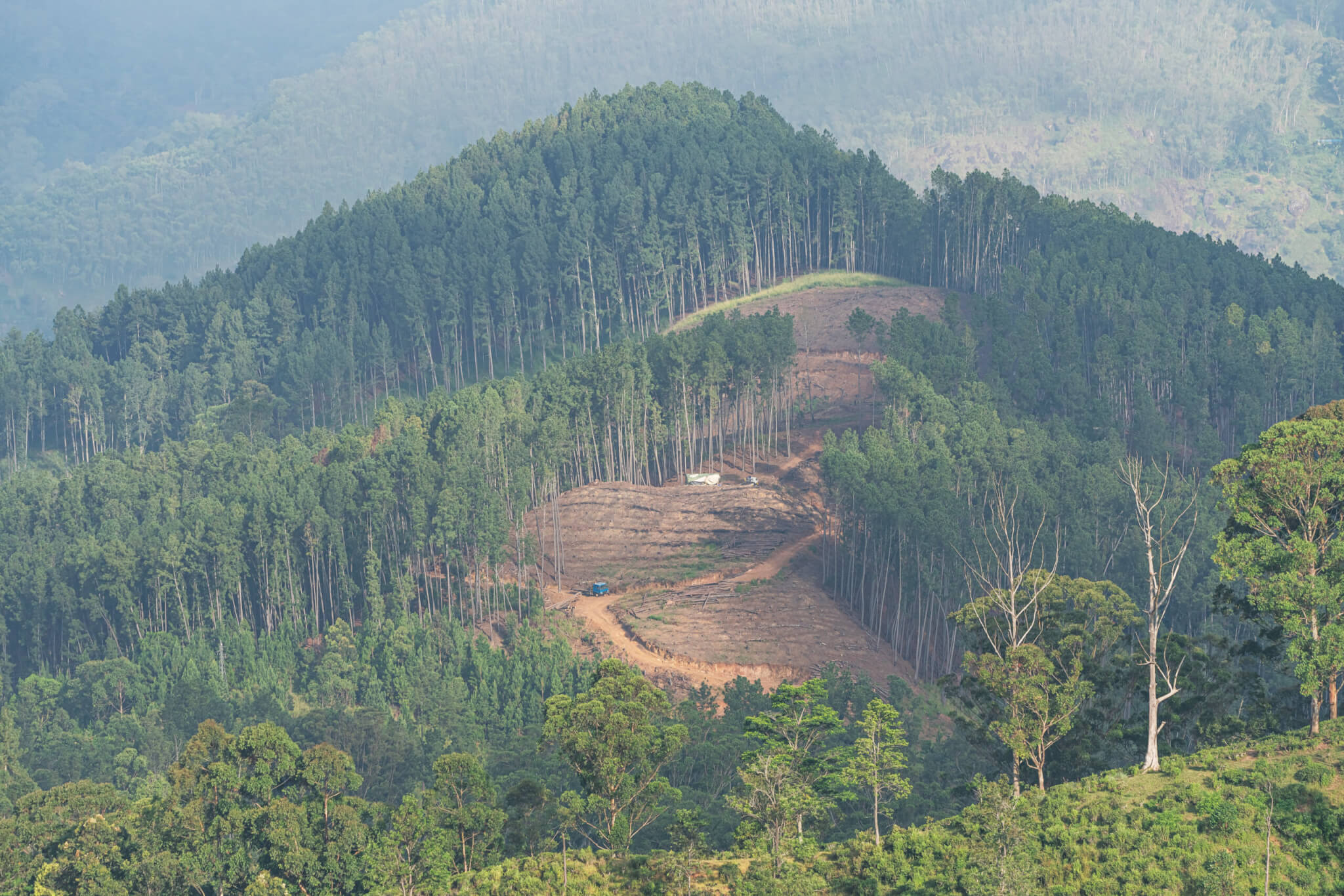
Nonetheless, a global movement to secure land rights continues to grow. As a result, intergovernmental organizations have increasingly recognized that Indigenous and local land rights are necessary in order to mitigate climate change. In November 2021 at the United Nations Climate Change Conference (COP26), global leaders reached a landmark agreement to halt and reverse forest loss and land degradation. In step with this agreement, government and philanthropic leaders signed the Indigenous Peoples and Local Communities’ Forest Tenure Pledge at COP26, a historic commitment of $1.7 billion between 2021 and 2025. Overall, multilateral organizations have increasingly recognized the importance of Indigenous land rights, including in the United Nations’ 2022 global biodiversity agreement and the Intergovernmental Panel on Climate Change’s Sixth Assessment Report. This momentum has contributed to greater support for the substantial progress IP&LCs have driven and continue to achieve on the ground in dozens of countries. Due to their frontline efforts to advocate for land rights and tenure recognition, the area of land legally owned by and designated for IP&LCs has increased in recent years.
How philanthropy has supported the IP&LC land rights movement
Philanthropy has long engaged with forest protection and the climate movement. Philanthropic collaboration with these movements has gained momentum in recent years and has increasingly included efforts that support IP&LC land rights. 2010 marked the formation of the Climate and Land Use Alliance (CLUA) — a collaborative of funders who support efforts to halt and reverse forest loss, advance sustainable land use, and secure the rights and livelihoods of Indigenous and forest communities — all in support of mitigating climate change. In 2017, following deep consultation with IP&LCs and multilateral groups, the International Land and Forest Tenure Facility (Tenure Facility) was officially launched to channel funds to Indigenous peoples and local communities as they strengthen their tenure and use of traditional lands. These efforts, among others, contributed to the momentum that led to the landmark Indigenous Peoples and Local Communities’ Forest Tenure Pledge at COP26 in November 2021.
According to ClimateWorks Foundation data, this momentum is also reflected in increased philanthropic dollars for efforts to protect forests and the climate. In 2022, funding to forests represented around 9% of total foundation funding for climate change mitigation. Funding for forests has more than doubled in recent years, growing from approximately $120 million in 2018 to $270 million in 2022 — with a 69% increase between 2021 and 2022 alone, on the heels of the Indigenous Peoples and Local Communities’ Forest Tenure Pledge.
However, donors have acknowledged that they have further to go. Despite momentum, the funding that local communities receive for tenure and forest management is equivalent to less than 1% of bilateral climate funding (or official development assistance). Significantly more funding is needed to support IP&LC forest guardianship. “Historically, almost all the funding was going either to governments or to large NGOs,” said Kaimowitz. “There’s been a need to actually get the money to the people who are on the frontlines.”

Here are three ways philanthropy has supported efforts to advance the land rights of Indigenous Peoples and local communities, while also protecting forests and the climate:
Mobilizing funds to advance IP&LC land rights
Philanthropy has played a pivotal role in expanding funding opportunities for IP&LC groups, catalyzing additional investment from the public and private sectors. Traditionally, IP&LC groups have only received a small percentage of direct funding — and have faced obstacles like onerous applications and reporting structures, language barriers, and a lack of direct communication with grantmakers, particularly around the prioritization of funds. To change that, IP&LCs are developing new funding flows in collaboration with philanthropic funders and organizations like the Tenure Facility.
The Tenure Facility offers direct grantmaking and technical assistance to support IP&LCs in their efforts to secure land and forest tenure, with an emphasis on mitigating climate change, reducing conflict, and promoting gender equality. In collaboration with local, national, and international groups, the Tenure Facility fosters community-level partnerships and facilitates collaboration with government donors and the private sector. With their support, IP&LC groups have strengthened their internal governance systems and resilience, leading to a greater ability to absorb multilateral and philanthropic funding directly. This funding has already contributed to significant progress on the ground.
“As of 2022, our partners were able to improve the tenure security and governance over more than 18 million hectares — an area equivalent to twice the size of Portugal,” said Kaimowitz. “That puts us on track to reach our goal of strengthening land rights over 60 million hectares by 2027.”
Amplifying Indigenous and local voices to global audiences
In recent years, the IP&LC land rights movement has gained increased international recognition and visibility. Philanthropy has contributed to this momentum through communications grants that have helped generate increased media coverage around the world. The Ford Foundation, for example, has supported efforts to raise international awareness around the intersection of IP&LC land rights, forest protection, and climate change mitigation. Through these efforts, filmmakers, communications firms, digital media producers, and others have helped amplify the voices of Indigenous leaders as they tell their own stories on a global stage.
Expanding the evidence base linking land tenure and climate change mitigation
There is a growing body of research demonstrating that IP&LC land rights are critical for protecting forests — and one of the most cost-effective climate solutions. In recent years, philanthropy has supported studies that make the case for protecting IP&LC land tenure. For example, a foundational study by the World Resources Institute underscores the social, economic, and environmental benefits of community land rights. A report by the World Resources Institute and Climate Focus finds that protecting Indigenous lands is necessary for achieving Paris Agreement goals. The Rights and Resources Initiative’s analysis monitors the gains in land rights for Indigenous Peoples, Afro-descendant Peoples, and local communities — and finds that much more progress is needed to meet equity goals, advance sustainable development, and eradicate poverty. CLUA calls upon and further develops this research to support governments of tropical forest countries in delivering on their forest and climate commitments as part of the Paris Agreement.
The road ahead
There is significant momentum behind the global movement to secure land rights — a positive development for protecting forests and the climate. Philanthropic support and engagement have increased in recent years as well, contributing to efforts that have helped mobilize funding, produce compelling research, and amplify the voices of Indigenous and local communities. However, much more funding is needed to build on this momentum and bolster these efforts. The Rights and Resources Initiative and Campaign for Nature, for example, estimate that at least $10 billion is needed between now and 2030 to secure the land rights necessary to meet global climate targets. Additionally, much more work is needed to ensure that Indigenous Peoples and local communities receive and can access these funds.
To learn more, funders can contact CLUA, which leads the forests and land-use program at ClimateWorks Foundation, and explore their resources such as the Climate & Forests 2030 funding priorities. Additionally, funders can consider joining collaborative efforts like Forests, People, Climate or engaging with trusted intermediaries like the Tenure Facility. Funders may also connect with IP&LC-led geographic and territorial funds like the Mesoamerican Territorial Fund in Central America and the Nusantara Fund in Indonesia, or through initiatives like the CLIMA Fund that facilitate direct funding.


August 16, 2023 marks one year since President Joe Biden signed the historic Inflation Reduction Act (IRA) — the boldest action thus far by the United States to reduce climate pollution and accelerate the transition to clean energy — and one with sweeping ramifications for global efforts to address climate change.
The IRA includes massive investments in climate provisions and is expected to reduce US net greenhouse gas (GHG) emissions by around 40% from 2005 levels by 2030, all while delivering a wide range of health and economic benefits for Americans. Implementing the law could also help create more than 9 million jobs over the next decade, according to an analysis by the BlueGreen Alliance. Additionally, the IRA represents the most significant step taken to date by the United States toward its commitments to the Paris Agreement on climate change — an international treaty with a goal of limiting global temperature rise to 1.5° C relative to pre-industrial levels.
The IRA is the culmination of decades of efforts led by communities and grassroots movements, with support along the way from environmental groups, government and business leaders, and a wide range of additional allies. Over the years, philanthropy played a pivotal role in these efforts, working behind the scenes in collaboration with the private and public sectors and civil society actors to support the sustained engagement that helped make this bold climate action possible. Moving forward, philanthropy must not only support efforts to implement the IRA but also push for even bolder action on climate change.
Philanthropy helped pave the way for the Inflation Reduction Act
Shortly after the IRA was signed in August 2022, Inside Philanthropy’s Michael Kavate chronicled the role that philanthropy played in helping achieve the historic law. For example, philanthropy has provided consistent support for climate movement building over the years, backing groups such as the 501(c)(3) arm of the Sunrise Movement, whose efforts were critical for building sustained momentum for ambitious federal policy on addressing climate change.
Philanthropy also backed major initiatives that shaped many of the policies outlined in the legislation. ClimateWorks is proud to have supported a number of organizations that have worked over the years both to achieve the passage of the IRA and to shape its climate provisions.
One notable example of philanthropy’s influence on the IRA is the law’s ambitious provisions for transportation electrification. Supported by philanthropy, partners within the Drive Electric Campaign — a global initiative accelerating electrification of all road vehicles by 2050 — spent years on coalition-building and groundwork to push Congress for robust investments in electric vehicles (EVs), with a wide range of approaches including education, strategic communications, and coalition sign-on letters. This work proved fruitful as transportation electrification became a centerpiece of the IRA, which wound up including nearly all the provisions advocated for by Drive Electric partners. Such provisions include expansive tax credits for EVs, used EVs, and commercial clean vehicles; grants that will help accelerate the shift to zero-emission buses and heavy-duty vehicles; and major incentives for the retooling of existing facilities to manufacture clean vehicles and batteries. Crucially, these provisions will increase access to electrified transport for all by completely changing the calculus of the deployment timeline for electric cars, trucks, and buses, delivering cleaner air to hundreds of thousands of Americans by 2050.
Carbon dioxide removal (CDR) is another element of the IRA that reflects ongoing philanthropic involvement. Sustained engagement by philanthropy — including support for critical research, analysis, and advocacy — helped contribute to transformative new incentives and provisions in the bill that support technological and land-based carbon removal. In particular, the IRA includes refinements to the 45Q tax credit that will enable it to better support carbon removal startups and allow a broader range of project developers to take advantage of the credit. These improvements could help deliver up to $100 billion in new investments. Already, there is significant momentum for CDR projects, especially given there are also strong CDR provisions in the Bipartisan Infrastructure Law. Just last week, the Department of Energy announced funding that will support the early-stage development of various regional direct air capture (DAC) hubs, including one in California’s Kern County that ClimateWorks has been supporting for nearly three years.
The road ahead: Implementing the IRA and pressing for even more climate action
The one-year anniversary of the IRA marks an important crossroads not only to reflect on how the legislation was achieved but also to focus on the work ahead. It is critical that philanthropy support the implementation of the IRA while also helping address the gaps that still exist in needed climate action.
While the IRA represents a landmark achievement, now is the time to ensure that the actual implementation of the legislation is timely, effective, and benefits communities. The success of the IRA will require businesses, individuals, state and local governments, and community partners to take advantage of its tax credits and other incentives. Philanthropy must continue to work closely with partner organizations that have the networks and expertise to support the implementation of the IRA. And there are new efforts already underway: Invest in Our Future, for example, was launched by five of the country’s largest climate funders and is working to help communities (including rural and low-income communities, communities of color, and Native communities) benefit from the IRA — which includes navigating the complex process of applying for federal funding. Similarly, a number of environmental and climate justice networks have organized regional hubs that will help community-based organizations secure federal funding for environmental justice projects.
Additionally, philanthropy can play a role in advancing efforts that will help fill gaps in the IRA and in the country’s climate efforts more broadly. For example, as discussed earlier, the IRA is expected to produce a 40% in reduction GHG emissions by 2030 — but this still falls short of the 50% to 52% in reductions needed for the United States to meet its Paris Agreement commitments. Even in the case of zero-emission transportation — arguably the largest suite of IRA investments — ambitious federal regulations are needed to meet climate goals for the sector. Philanthropy should continue to support the groups, movements, and communities that are looking at the IRA and beyond to help ensure the United States is on a clear path to meeting its commitments. One emerging area of philanthropic collaboration, for example, involves addressing industrial emissions, where additional action offers the United States a path to get closer to achieving Paris targets.
Philanthropy can help address additional areas that are under-addressed by the IRA. For example, while the IRA includes historic investments to advance environmental justice, activists have argued that the provisions are insufficient, especially considering the bill also contains some concessions to the fossil fuel industry. These shortcomings are a call to action for philanthropy to prioritize the people most impacted by climate change.
Philanthropy must keep pushing forward
A year after its signing, it is important to celebrate the momentous achievement the IRA represents for climate action, the expansive efforts that made it possible, and the wide range of benefits it will bring to communities. It is also an opportunity for philanthropy to reflect on its role in supporting the movements, groups, and organizations that pushed for this historic legislation and whose work is reflected strongly in its policies.
Nonetheless, it is clear that philanthropy must support grantees’ efforts to help implement the emissions reduction potential inherent in the IRA, as well as push for additional climate actions needed to limit global temperature rise to 1.5° C and avoid the worst impacts of climate change.
The one-year anniversary of the historic IRA should be celebrated because it offers the United States its greatest opportunity ever to build a more just, equitable, and clean energy future for people and communities across the country. The apocalyptic wildfires in Maui this past week provide yet another horrifying and somber reminder that climate change is already a deadly reality for people and communities in the United States and around the world. It should serve as a motivator for philanthropy to build off of the momentum created by the IRA and to keep pushing for faster climate progress now.


In the past year, public and private funders have mobilized more than $6 billion for carbon dioxide removal (CDR), building the momentum needed to remove 5-16 gigatons of carbon dioxide from the atmosphere annually and curb climate change. The movement is poised to accelerate after the April 2022 Intergovernmental Panel on Climate Change (IPCC) Working Group III report identified CDR as an essential climate solution.
Recent weeks have seen a wave of announcements from the private sector for landmark investments in CDR. Days after the release of the IPCC Working Group III Report, Climeworks, a Swiss direct air capture startup, announced $650 million in new funding. Frontier, which has successfully scaled other public goods, including vaccines, committed $925 million to advance carbon removal on the heels of this announcement. Shortly after Frontier’s announcement, Lowercarbon Capital announced a $350 million venture fund to invest in carbon dioxide removal startups. Finally, on Earth Day 2022, XPRIZE identified finalists for the $100 million carbon removal competition, including several scientists previously supported by ClimateWorks who are now taking their science from the lab to the market.
These private sector funding efforts — representing the second and third largest removal investments ever — came amid the U.S. Department of Energy’s (DOE) announcement that it will invest $14 million to advance direct air capture using waste heat, rather than relying on renewable energy alone. The DOE announcement is just the latest in a series of announcements from Congress and the Biden administration that total nearly $5 billion in new public support for carbon removal. (These include $1 billion in cumulative Congressional appropriations for carbon removal and $3.5 billion to build direct air capture (DAC) facilities in the Infrastructure Investment and Jobs Act).
Laying the groundwork for CDR growth
While these headlines are extraordinary, they follow years of philanthropic work to help advance a portfolio of carbon removal approaches, ranging from forests to fans that remove and lock carbon dioxide away for a long time or convert it into clean alternatives such as jet fuel to power long-distance aviation. ClimateWorks and our partners have had the opportunity to help build the field of CDR philanthropy. For example, several years ago, ClimateWorks seeded the concept of corporate carbon dioxide procurement with a grant to the World Resources Institute (WRI) to engage major carbon removal purchasers. And ClimateWorks provided support for the peer-reviewed journal article on which the DOE’s recent $14 million announcement was based.
Today, ClimateWorks CDR program alumni work at companies ranging from Meta to Microsoft to deploy carbon removal. Recently, long-time ClimateWorks advisor Etosha Cave raised $57 million for Twelve, a startup that removes carbon dioxide from the air and recycles it into carbon-neutral jet fuel and other clean materials. Other previous program grantees are working with the U.S. federal government at the Departments of Energy, the Department of Interior, and the Department of Transportation.
Philanthropy’s continued involvement is key in ensuring that scaling efforts are grounded in scientifically rigorous and socially responsible ways. Additionally, philanthropic support can provide an unbiased evaluation of carbon removal opportunities and challenges — and help inform decisions to select removal approaches that have real climate benefits.
Philanthropy is crucial in scaling CDR responsibly
CDR is an essential climate solution. But as with any technological intervention, it must be scaled safely and responsibly. Philanthropic investment and involvement remain a key part of ensuring the ethical and strategic expansion of the field. Here’s how ClimateWorks is working with philanthropy on the responsible scaling of carbon dioxide removal solutions:
- Help steer carbon dioxide removal away from fossil fuel interests, which could attempt to co-opt this critical emerging field. For Climateworks, this has involved committing to never support the scaling of carbon removal via fossil fuels, opposing the use of removed carbon dioxide for fossil fuel production, and avoiding the use of carbon removal as offsets for abatable emissions. We are making grants to support the use of carbon removal to de-fossilize sectors such as long-haul aviation. In the process, this prevents the conversion of farms and forests into jet fuel, as some sustainable aviation fuels are made from trees or crops. Making aviation fuel from legacy carbon dioxide pollution in the sky has shown to have enormous air quality benefits, especially for frontline communities.
- Seed scientific research on ocean carbon dioxide removal. While the private sector races to deploy certain approaches to remove carbon from seawater, we’re working with philanthropy to support careful research to ensure that it produces broader climate benefits. Philanthropy is also supporting scientists who are working to answer key questions such as whether ocean CDR approaches are scalable, durable, safe, and responsible.
- Bolster efforts to ensure that the deployment of CDR technologies is just and equitable. Increasingly, the philanthropic sector has acknowledged the need to consider the implications of CDR efforts on frontline communities. In 2018, ClimateWorks launched the first philanthropic effort to make grants focused on advancing environmental justice as it relates to carbon removal and has supported organizations around the world — for example, by helping Carbon 180 create their Environmental Justice Initiative.
- Support the development of monitoring and verification methods for CDR projects. Currently, there is limited research on the governance and responsible deployment of carbon dioxide removal. To that end, the IPCC report recommends accelerated research, development, and demonstration of CDR projects; improved tools for risk assessment and management; and targeted incentives and development of agreed methods for measurement, reporting, and verification. At the moment, most private sector-led carbon removal initiatives do not address the need for better monitoring and verification methods. Philanthropy can and should step up to fill this key gap — and ClimateWorks will continue its commitment to improving monitoring and verification for CDR.
The time to scale is now
Years of groundwork have made possible the momentum for CDR that is evident today. With the private and public sectors mobilizing, now is the time for philanthropy to scale CDR funding and steer that momentum toward greater impact.
Scaling CDR will require both buyer ambition and increased research and deployment funding to drive down costs. And it will require wider acceptance and adoption of CDR efforts. To help unlock additional public funding and provide a roadmap for research, ClimateWorks sponsored a recent National Academies study that recommended a $2.5 billion investment to better understand the tradeoffs inherent in ocean carbon removal. Increased and aligned philanthropic funding in this area could create scale-up conditions to help ensure that carbon dioxide removal remains a public good and delivers meaningful climate benefits.
Carbon removal only constituted $50 million of the roughly $1.3 billion average annual climate-related giving by foundations from 2016 to 2020, according to a ClimateWorks study. Although philanthropic funding for scaling carbon dioxide removal has been modest when compared with billions in funding from the public and private sectors, philanthropy has played and continues to play an outsized role in helping to ensure carbon removal efforts scale safely, equitably, and effectively.
The recent public and private funding of over $6 billion is certainly worth celebrating and indicative of rising interest in the field, but there is much more work to be done. Keeping warming below 1.5°C would require a 20-fold funding increase in CDR solutions by 2030 combined with ambitious decarbonization, according to a new report by the Energy Transitions Commission.
The momentum for CDR is growing. It’s time for philanthropy to increase its engagement with the movement, coordinate and partner with governments and the private sector, and activate the funding needed to ethically and strategically scale CDR to reach its full potential as a key tool in ending the climate crisis.
To learn more, read about ClimateWorks’ CDR program and follow along as ClimateWorks continues to expand its CDR work.