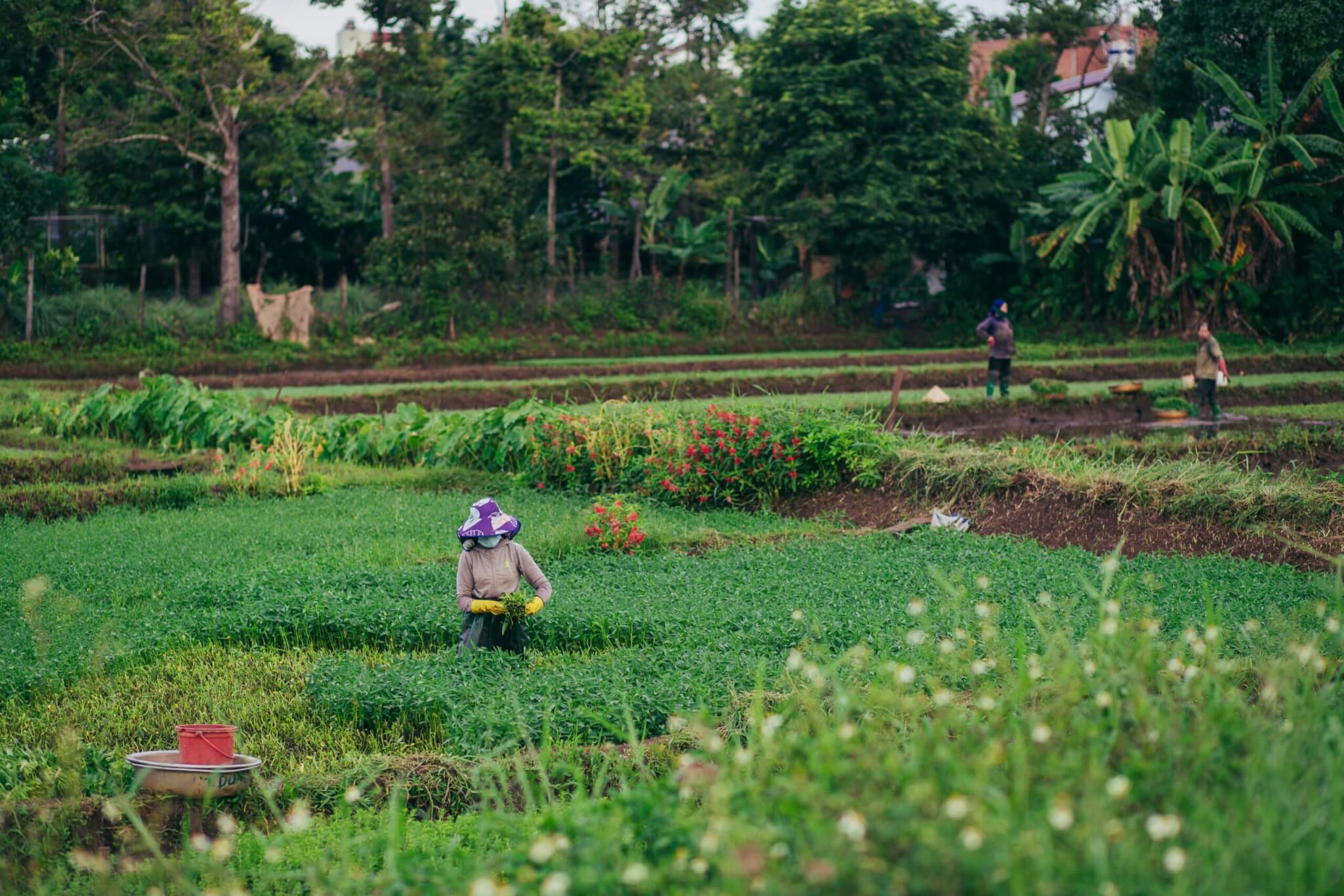
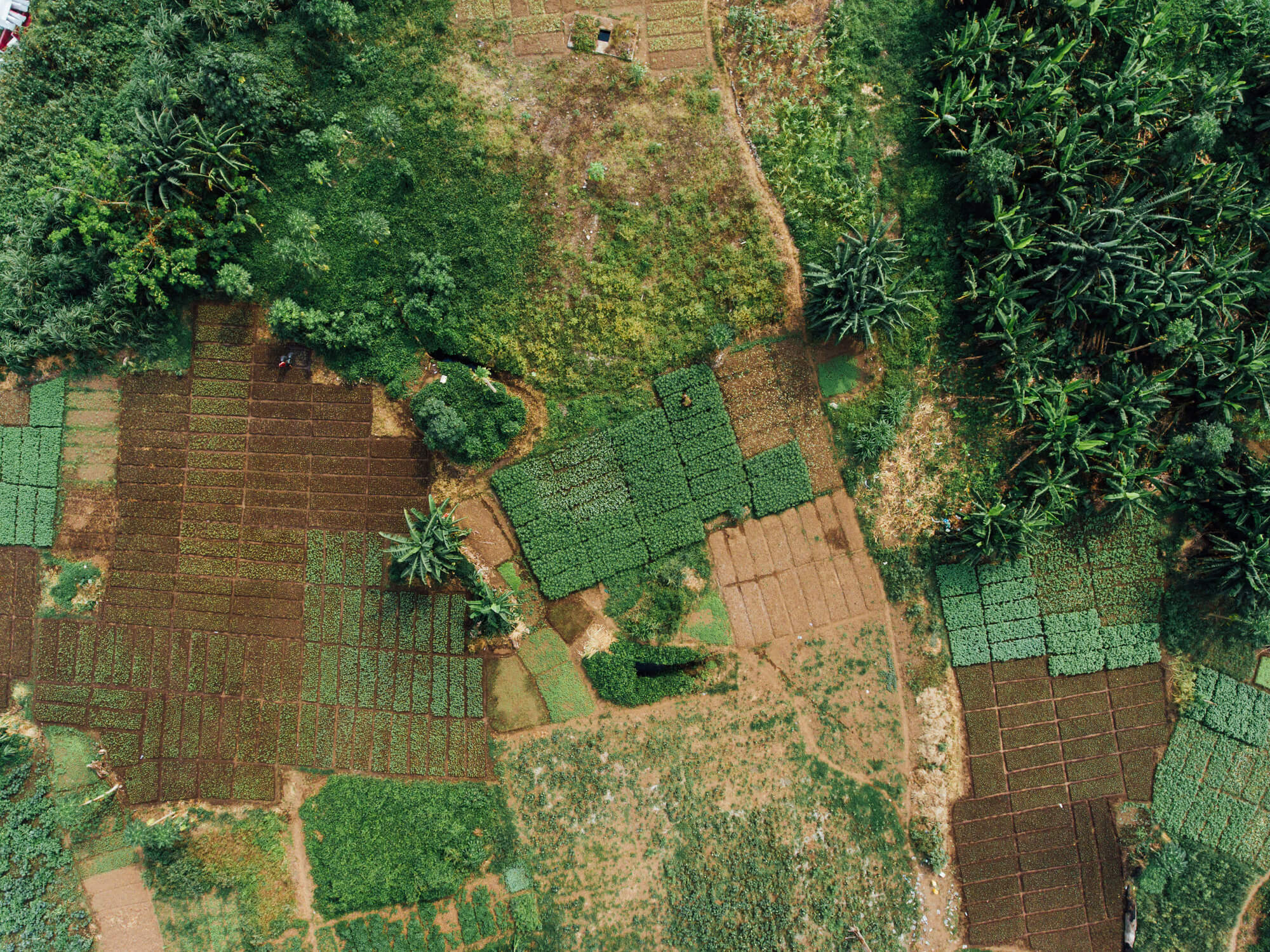

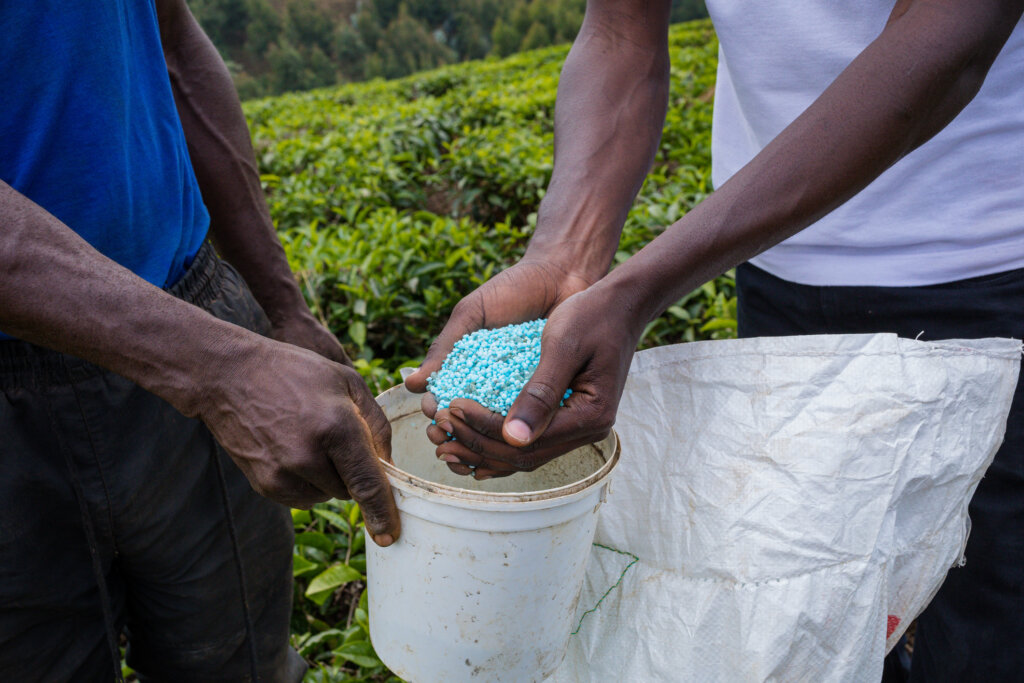
The industrial agricultural system in Africa is heavily reliant on synthetic fertilizers and pesticides, and the costs of these inputs are rising even as their use threatens ecosystems and human health across the continent. The people who absorb the costs are the most foundational to rural agricultural economies: smallholder farmers. The current global fertilizer crisis caused by the U.S.-Israel war on Iran is exposing how dependent African food systems have become on imported agrochemicals and how vulnerable the food supply is to geopolitical shocks as a result. But a different approach is taking root — one that is locally led and ecologically grounded.
Agroecology, farming that works with nature, offers a proven alternative to reliance on agrochemicals. Throughout the African continent, from the local to national level, farmers, entrepreneurs, advocates, and other stakeholders are working to scale agroecology in ways that fit local needs. The missing piece is investment in the movement itself. Top-down, project-based grants can risk funding outputs rather than systems transformation. Real change happens when local organizations have the flexibility, trust, and resources to lead. Because transforming food systems requires shifting deeply entrenched political and economic interests, movements are not a peripheral strategy but an essential one: they build the broad public will and sustained pressure that policy change requires.
ClimateWorks set out to test this approach for ourselves through a pilot fund led by our Justice and Equity team — one rooted in the belief that the most durable climate solutions are those that deliver real benefits to frontline communities. Working alongside the African Climate Foundation (ACF), we provided flexible, general operating support to five grassroots organizations leading the movement to advance agroecology and reduce the expansion of agrochemical usage across the African continent: African Centre for Climate Actions and Rural Development (ACCARD) in Nigeria, Association of Social Entrepreneurs in Vihiga (ASEVI) in Kenya, Ecological Christian Organization (ECO) Uganda, Food Justice Network in Zimbabwe, and Young Emerging Farmers Initiative (YEFI) in Zambia. Here, we share key lessons about that funding model.
A different kind of funding
Most philanthropic funding for agriculture comes with strings attached: specific activities, fixed timelines, and defined outputs. That model can work for projects, but does little to support larger movement-building.
In this pilot grant, we provided flexible operating support so that grantees could define their own priorities. ACF served as a trusted intermediary, as a climate foundation embedded in the region with strong relationships and contextual knowledge.
Grassroots organizations are closest to the problems and closest to the needs of the communities they serve. Though agroecology offers a set of principles and practices, it is not one-size-fits-all; what works in one region can be very different from what works in others.
Patty Fong, Director of ClimateWorks’ Food and Agriculture program, reflects on the philosophy behind the grant:
“Across Africa, there are grassroots leaders who are deeply passionate about agroecology, but leading a movement to transform a deeply entrenched system can be an isolating experience. Bringing these organizations together was about more than shared learning; it was also about peer support. As a grant funded through our Justice and Equity team, this was equally an opportunity for us as funders to ask ourselves harder questions: What does it really mean to support movements? And what can we learn across different country contexts?”
Key lessons
Flexible funding supports movements, not just activities
When grantees didn’t need to chase specific grant deliverables, something interesting happened: they invested in relationships. They strengthened farmer networks. They linked communities across regions. They built the connections that make change last.
Isaac Kabongo leads ECO Uganda, which designs and delivers community-led solutions that protect nature, strengthen livelihoods, and advance climate and ecological justice across Uganda. He describes how unrestricted support allowed his organization to convene farmers across districts, facilitating peer exchange and building a broader movement for agroecological transition in the region:
“The grant enabled ECO to connect with smallholder farmers who struggle to make a living while being impacted by counterfeit agrochemicals. It gave us the opportunity not only to understand their daily struggles but also to appreciate their voices and aspirations. The grant also allowed us to connect with like-minded organizations across the African continent to build a collective voice and drive policy influence at national, regional, and continental levels. Through this work, ECO established a national network of actors to combat counterfeit and hazardous agrochemicals in Uganda, while collaborating with partner institutions across the continent.”
Isaac Kabongo, ECO Uganda
Local organizations and farmers contextualize solutions in ways outsiders cannot
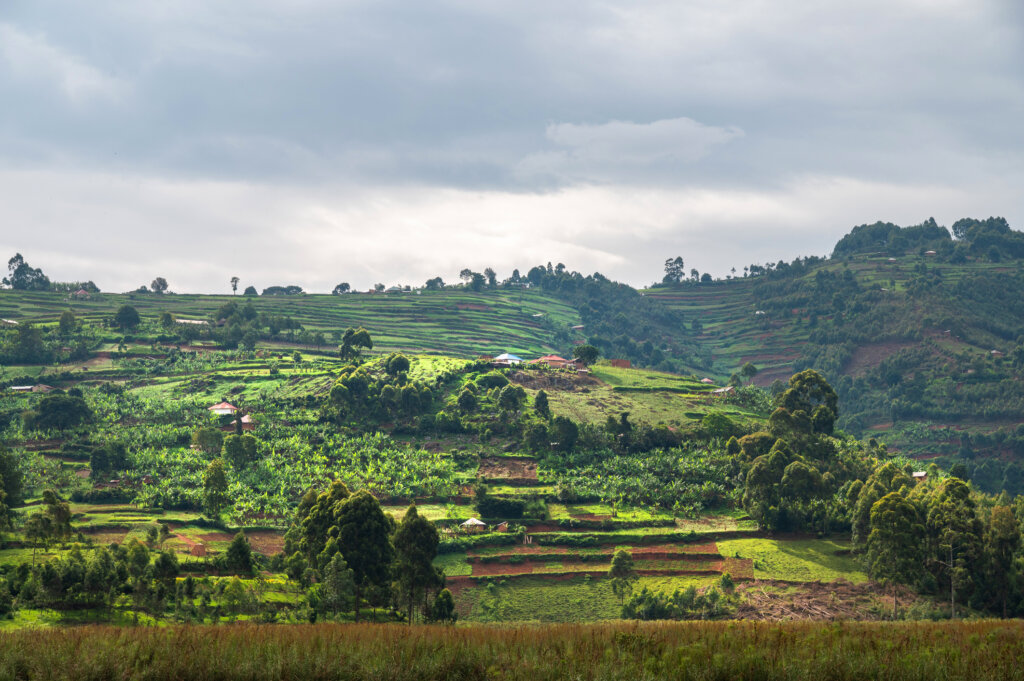
For agroecology to really take root, it must be implemented with deep cultural and ecological knowledge. Farming practices are grounded in local tradition, ecosystems, and community relationships. Solutions developed without that context often fail or undermine what communities already know.
Freeman Elohor Oluowo of ACCARD in Nigeria, which empowers rural communities to address climate change through sustainable practices, innovative solutions, and inclusive development, explains how local knowledge can inform global discourse:
“Meaningful engagements today happen at the grassroots level, drawing on local knowledge and community contributions to sharpen global discourse and address global challenges. Grassroots stakeholders are more open to collaboration, eager to showcase local efforts and solutions that often go unseen.”
Freeman Elohor Oluowo, ACCARD
Evans Muswahili of ASEVI, which promotes community well-being and development through food systems transformation, climate action, social justice, and community asset building in Kenya, found that the farmers themselves were the best teachers:
“Working with farmers, we learned that regardless of their level of formal education, they remain a fountain of knowledge — particularly technical knowledge rooted in Indigenous practices. These farmers are no longer passive recipients of knowledge but active co-creators in learning and knowledge management.”
Evans Muswahili, ASEVI
When grassroots organizations connect, collaboration emerges organically
When we brought these five organizations together into a cohort, they prioritized learning from one another rather than competing for resources. This type of collaboration doesn’t emerge on its own; it requires dedicated funding and intentional space
Roselilly Ushewokunze leads the Food Justice Network, a network of individuals, communities, and organizations in Zimbabwe working to attain food justice by addressing systemic barriers and inequalities within food systems. For her, working in unison with the other grantees unlocked something bigger than any single organization could achieve alone:
“Connecting with fellow grantees from across Africa revealed that our problems are interconnected. We have found ourselves not only solving problems affecting our villages, but co-creating scalable models to transform Africa’s food systems and push back against the use of agrochemicals.”
Roselilly Ushewokunze, Food Justice Network
Evans Muswahili of ASEVI in Kenya describes how peer exchange with Food Justice Network and the other organizations accelerated their work:
“Working with grantee networks, we learned about technologies and practices that were previously unknown to us. We documented what we found and used these insights to strengthen our interventions. A clear example of this is our adoption of the agroecology field training manual from the Food Justice Network of Zimbabwe. We used the manual for our farmer field school classes. In other words, we avoided ‘reinventing the wheel’ by adopting a simple solution from our peers to tackle a complex challenge at our organization.”
Evans Muswahili, ASEVI
Trust-based philanthropy is not just a values choice; it is more effective at creating lasting change
What ties all of these lessons together is a simple principle: trust-based, locally-led funding is not just a matter of values. It is also more effective at driving the kind of systemic change that climate philanthropy strives for.
When organizations have the flexibility to respond to what they are learning during grant-funded work, they adapt more quickly and on their own terms. When they are recognized and funded as the experts they are, they design solutions that work for their communities. When they are connected to each other, they amplify each other’s impact. These are the foundations of lasting transformation we seek in food systems and how they are funded.
Richard Kachungu of YEFI, a Zambian organization engaging rural and urban youth in agriculture to build wealth and employment across the continent, knows firsthand what is required to build on these foundations:
“The biggest difference in taking this collaboration to the next level lies in securing financial resources and investment that are adequate, predictable, time‑bound, and sustainable. With stronger and more reliable funding, we can stimulate local markets and strengthen financial ecosystems that enable wealth creation in rural communities. This allows us to deepen our agroecological work and reduce the inequalities experienced by the farmers we serve.”
Richard Kachungu, YEFI
Looking ahead: how these lessons are shaping our strategy
The experiences of this cohort are already informing how our Food and Agriculture program — and ClimateWorks as a whole — thinks about grantmaking and offer lessons for climate philanthropy more broadly. Several themes are shaping our approach going forward:
1. Coalition building
Frontline actors are generating political pressure and holding the line against industrial agriculture lobbying. Their inclusion in coalitions is essential to our shared goal of transitioning to more sustainable food systems. By connecting movements across food systems, climate, energy, and health, these types of coalitions increase political representation for frontline voices and create the conditions for aligned, cross-sector action. This inclusion strengthens their legitimacy and improves the chances of building durable solutions that outlast any single funding cycle.
2. Narrative shifting
Diverse actors are reframing public narratives about food and agriculture that resonate across different political contexts and communities. Storytelling grounded in evidence and rooted in the lived experience of frontline communities is proving to be a powerful driver of change, one that can shift how food systems issues are understood and who gets to define the path forward in shifting the status quo.
3. Mutual learning
While food and agriculture challenges are deeply place-specific, investing in mutual learning across and within regions, such as South-South exchanges among India, Africa, and Latin America, can catalyze global dialogue. Shared learning across contexts accelerates the adoption of new ideas and practices that would otherwise take years to develop within any single movement.
Kendra Edwards, ClimateWorks’ Associate Director for Justice and Equity, reflects on the insights generated through this pilot fund:
“Trust-based funding through this pilot helped raise the question for the whole foundation about where flexibility, trust, and local leadership belong in our broader strategy.
The question we are now asking ourselves is not just ‘what do we want grantees to achieve?’ but ‘what conditions do we need to create for change to be possible?’”
The five organizations in this cohort are not waiting for the food system to change — they are changing it in ways that, if successful, will continue to benefit their communities for generations to come. Our job as funders is to make sure they have what they need to do that work well: not only funding, but also connections to allies and broader movements working toward the same goals of creating more sustainable food systems.