
Around the world, communities on the front lines of climate change are leading the way on advancing solutions that safeguard lives, protect livelihoods, and secure economic and financial stability.
The need for adaptation has never been clearer: in 2024, global temperatures reached the 1.5° C threshold for the first time, and climate disasters displaced more than 45 million people. Escalating climate impacts are raising the urgency for locally-led adaptation and resilience solutions rooted in lived experience, trust-based relationships, and deep knowledge of place — including for workers.
A lifeline for women workers facing extreme heat
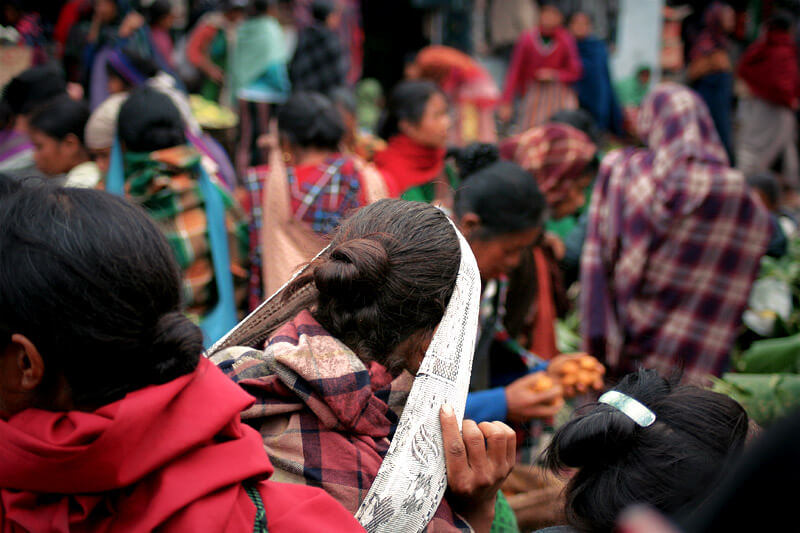
Roughly 2 billion people — 60% of the world’s workforce — earn a living through informal, outdoor jobs, often in dangerous conditions. As climate change drives more frequent and worsening heat waves, workers are forced to choose between risking their health on the job and losing the income that supports their families. The choice is especially difficult for women in developing countries, 92% of whom work in the informal economy.In India, a local women’s trade union is taking on the challenge. The Self-Employed Women’s Association (SEWA), together with the gender-focused global adaptation organization Climate Resilience for All, designed an innovative insurance model that allows workers to stay safe without sacrificing income. A pilot program called Extreme Heat Microinsurance provides cash payments to enrolled workers whenever temperatures exceed 40° C (104° F), allowing them to stay safe during extreme heat while still meeting household needs.
More than 225,000 women across six states in India enrolled in the program for the 2025 heat season. The program demonstrates how local leadership and collective action can build resilience in the face of escalating climate risks.
“At SEWA, we design climate solutions that reduce vulnerability and build strength,” says Rajvi Joshipura, senior coordinator. “Building on the success of our Extreme Heat Microinsurance, we are now expanding parametric climate insurance into a broader Climate Risk Mitigation Facility that integrates health protection, savings, and livelihood security — creating holistic protection for women workers in the informal sector.”
Initiatives like SEWA’s highlight growing momentum for locally-led adaptation solutions worldwide — such as early warning systems co-designed with coastal and flood zone communities, climate-smart agriculture, and cooling strategies in urban heat islands.
Philanthropy as a catalyst for adaptation and resilience
Local leaders and communities are already responding to growing climate impacts with ingenuity and urgency. Too often, however, they lack access to long-term financing to protect their people from rising hazards. This is where philanthropy can make a difference: it can move early, take risks, and support systems that help unlock larger flows of public and private capital.
ClimateWorks’ Adaptation and Resilience program is working to channel catalytic funding to help communities anticipate, reduce, and respond to climate risks. Additionally, the Adaptation and Resilience Fund funds locally-led solutions like SEWA’s, while the Adaptation and Resilience Collaborative for Funders (ARC) convenes more than 70 funders across climate, food systems, health, and development to share knowledge, coordinate action, and accelerate impact. Together, these efforts are helping build systems needed to tackle interconnected challenges related to climate impacts — from health and livelihoods to economic stability.
By aligning behind local priorities, philanthropy can help proven models scale and spread. SEWA’s approach shows the kinds of efforts philanthropy can support by working alongside local leaders.
“What makes this model sustainable is that it is co-created and co-owned by our members,” Joshipura adds. “Their small monthly savings — often the equivalent of one day’s wage — form the foundation. Through this member-led approach, SEWA is showing how grassroots leadership can transform climate risk into opportunity and drive scalable, self-sustaining climate welfare systems that protect lives, livelihoods, and dignity — thereby creating an economy of nurturance.”